How to Choose an Eco-Friendly Bag: 7 Expert Tips for Sustainable Shopping
Why Your Bag Choice Matters More Than Ever
Picture this: Over 5 trillion plastic bags are used globally each year, many ending up in oceans. But here’s the good news – swapping to eco-friendly bags can reduce your plastic footprint by 80%. The catch? Not all “green” bags live up to their claims. Let’s cut through the greenwashing together.
7 Key Factors When Choosing Eco-Friendly Bags
1. Material Matters Most
First and foremost, look beyond vague “recyclable” labels. Top sustainable options include:
- Organic Cotton (GOTS-certified): Uses 91% less water than conventional cotton
- RPET Fabric: Made from recycled plastic bottles
- Jute/Hemp: Biodegrades in 1-2 years vs. plastic’s 1,000 years
- Upcycled Materials: Like repurposed billboard vinyl
Steer clear of “biodegradable” plastics – they often require industrial composting facilities.
2. Certification Check
Don’t just take their word for it. Legit eco bags should have:
- Global Recycled Standard (GRS) ≥20% recycled content
- OEKO-TEX® Certification (chemical safety)
- Fair Trade markings for ethical production

3. Durability = True Sustainability
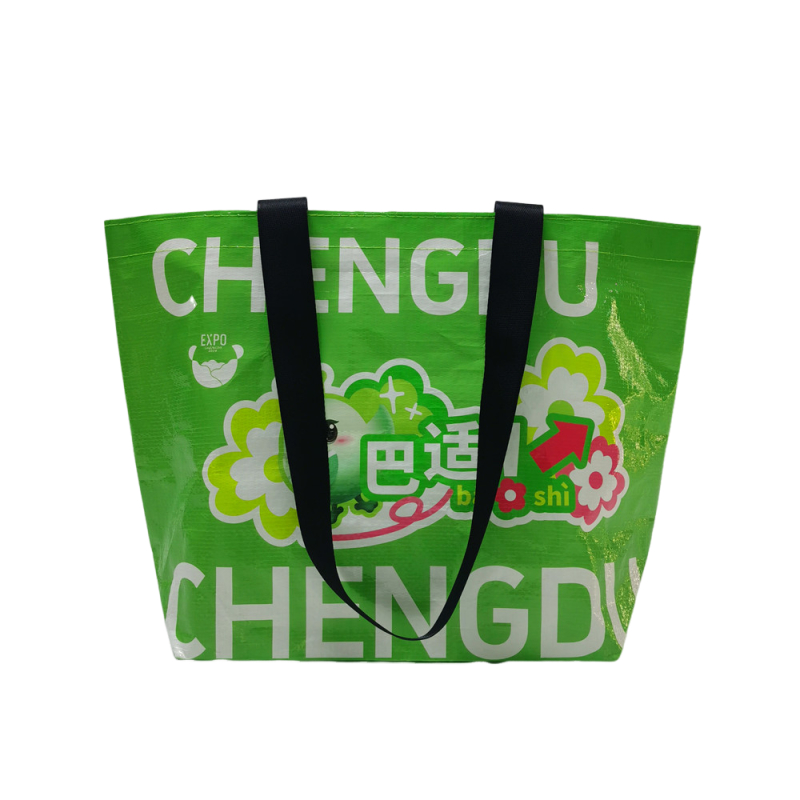
A bag’s eco-impact shrinks with each reuse. Test for:
- Double-stitched seams
- Reinforced handles (10+ lb weight capacity)
- Fade-resistant dyes (rub a damp cloth to check)
4. Production Transparency
Ask yourself: Can the brand answer these?
- Where’s the manufacturing facility?
- What’s the workers’ wage ratio to local minimum wage?
- How is production wastewater treated?
5. End-of-Life Plan
The mark of truly responsible brands:
- Take-back programs for old bags
- Clear recycling/disposal instructions
- Partnerships with textile recycling hubs
6. Functional Design
Because practicality prevents waste:
- Water-resistant lining for grocery runs
- Foldable designs that live in your glovebox
- Separate compartments to avoid double-bagging
7. Carbon-Neutral Shipping
Look for:
- Plastic-free packaging (cornstarch mailers etc.)
- Carbon offset partnerships
- Regional warehouses reducing transport miles

Red Flags in Disguise
Watch out for sneaky marketing:
- “Eco” PVC – Still contains phthalates
- Non-organic “Natural” Fibers – Often pesticide-heavy
- Cheap Reusables – Likely to rip, creating faster waste
Make Your Bag Work Harder
Remember: The most sustainable bag is the one you already own. Extend its life by:
Repurposing worn bags as planters or craft materials