Woven vs Non-Woven Fabric: Which Should You Choose and Why It Matters
Woven vs Non-Woven Fabric: The Ultimate Showdown
Let’s settle this once and for all: that “aha” moment when you realize why your favorite tote bag lasts years while some promotional bags fall apart after two uses almost always comes down to one thing – the fundamental difference between woven and non-woven fabrics. As someone who’s tested everything from surgical masks to industrial tarps, I’ll show you how to choose wisely without getting lost in textile jargon.
The Core Difference: Construction Over Composition
Here’s what most people miss: woven and non-woven refer to how fibers are arranged, not what they’re made of. You can have woven polyester and non-woven polyester – same material, completely different behaviors.
Woven Fabrics are like a traditional basket weave:
- Threads interlace at right angles (warp + weft)
- Creates structured, often rigid material
- Unravels when cut unless hemmed
Non-Woven Fabrics are like felt:
- Fibers are bonded through heat, chemicals or pressure
- Creates uniform, often flexible material
- Won’t unravel when cut
Side-by-Side Comparison
| Feature | Woven Fabric | Non-Woven Fabric |
|---|---|---|
| Durability | Excellent (years of use) | Good (months to years) |
| Cost | Higher ($2-5/m²) | Lower ($0.5-2/m²) |
| Water Resistance | Varies (depends on weave) | Naturally hydrophobic |
| Breathability | Adjustable via weave | Generally low |
| Eco-Impact | Higher water/energy use | Lower production footprint |
Real-world example: Your jeans are woven (durable), your face mask is non-woven (disposable barrier).

When to Choose Woven Fabrics
Go woven when you need:
- Long-term durability (tote bags, upholstery, workwear)
- Structured drape (dress shirts, curtains)
- High abrasion resistance (backpacks, sneakers)
- Breathable layers (linen clothing, mesh)
Best applications:
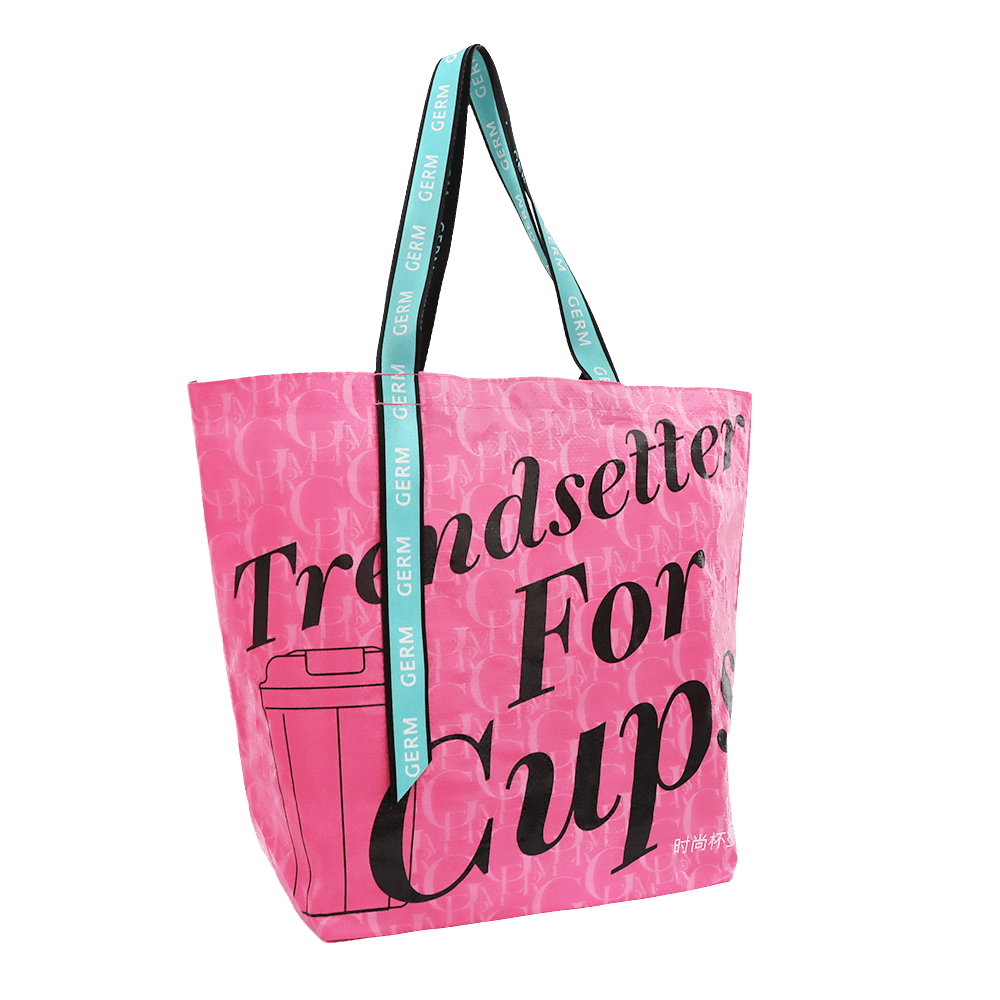
- Premium reusable shopping bags
- High-end apparel
- Furniture and automotive interiors
- Technical gear (tents, parachutes)
When Non-Woven Shines
Choose non-woven for:
- Single-use applications (medical masks, isolation gowns)
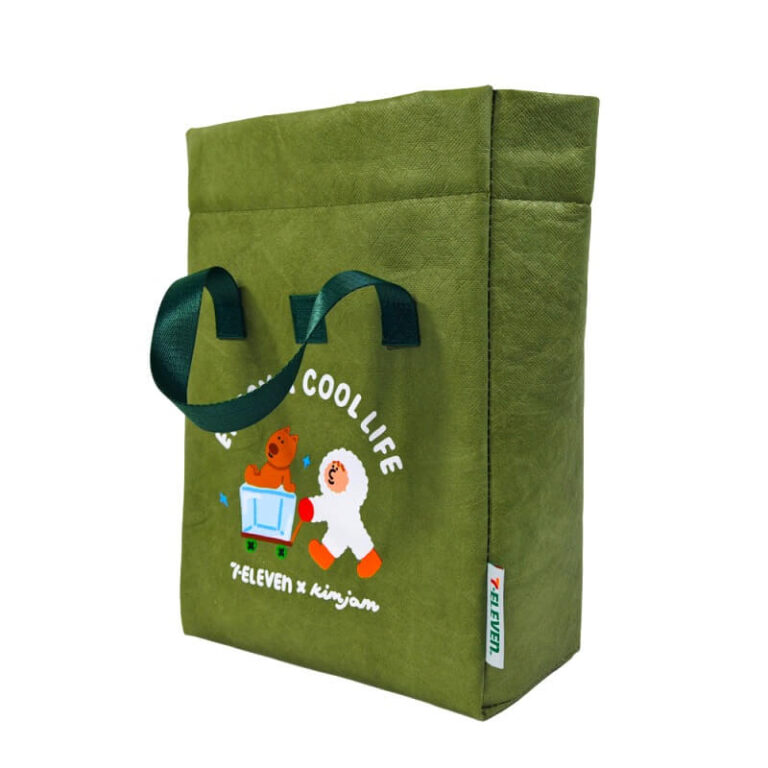
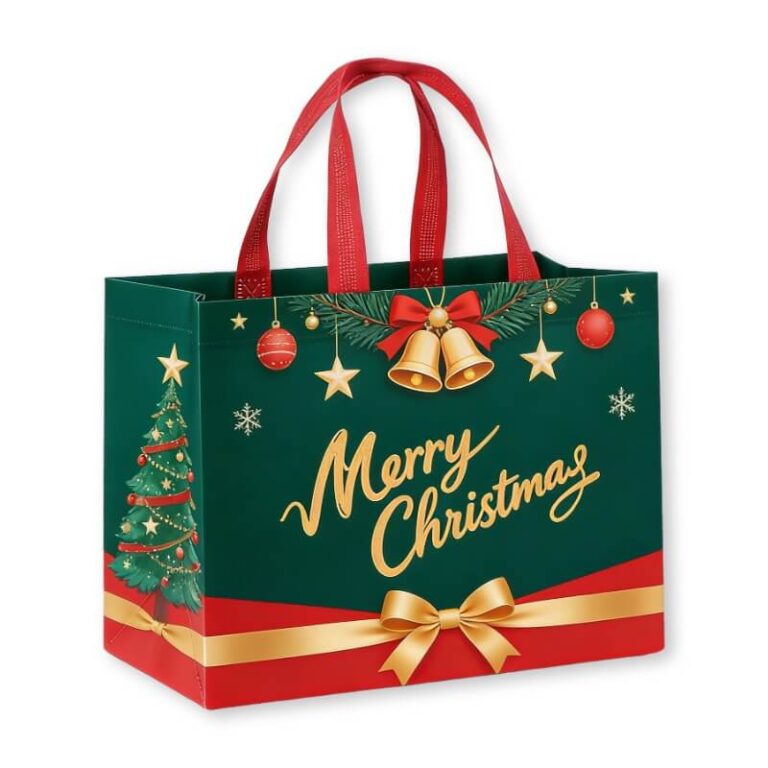
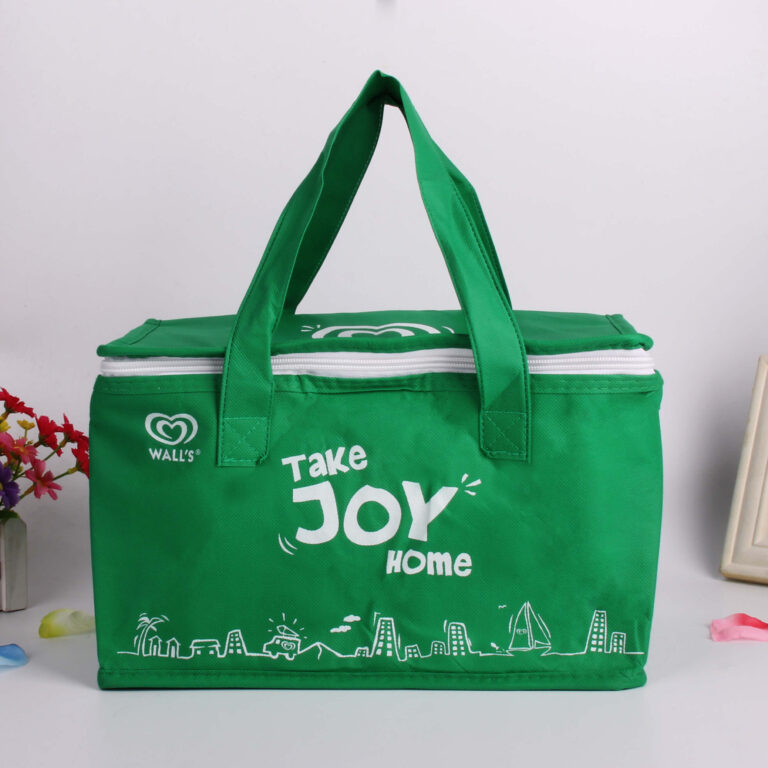
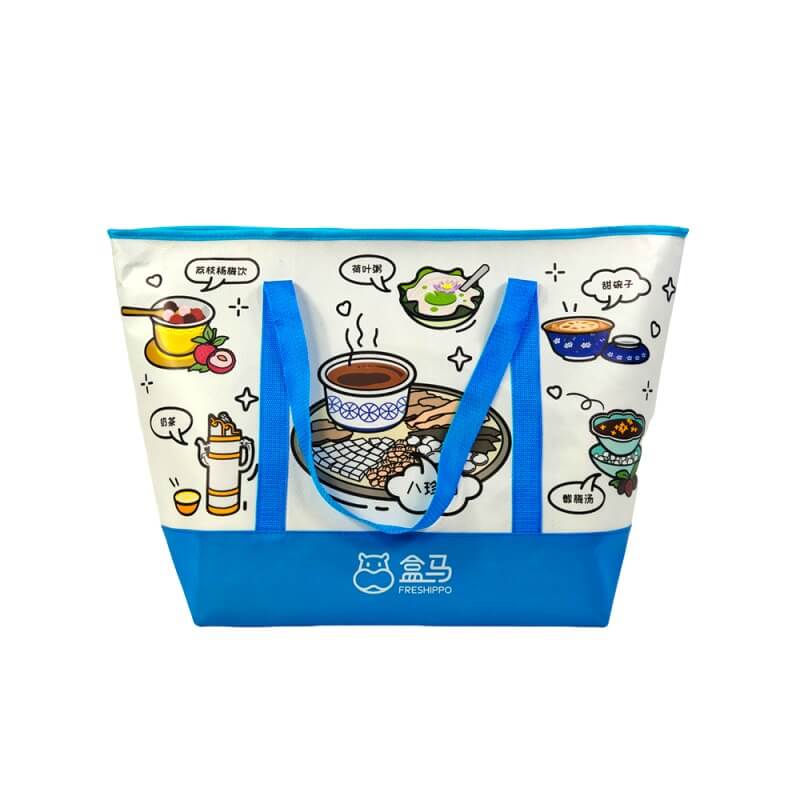
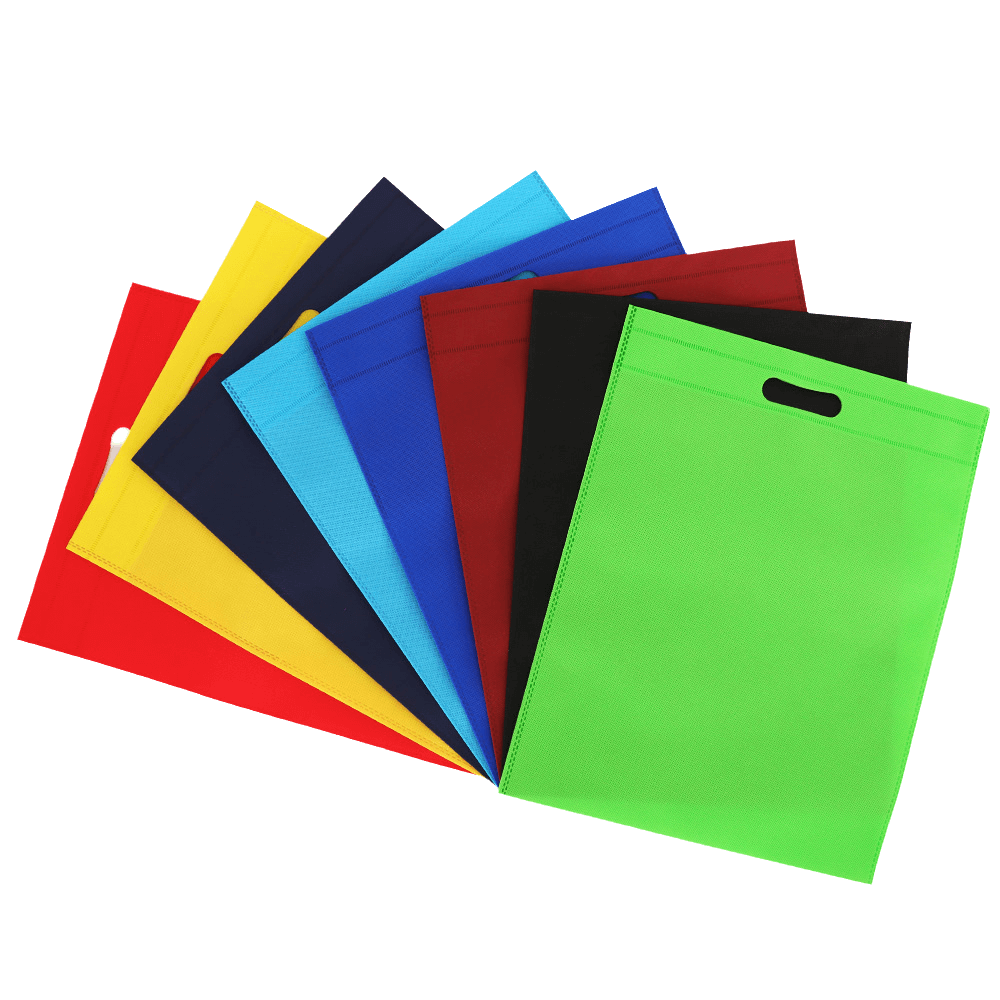
- Cost-effective solutions (promotional tote bags)
- Consistent barrier properties (air filters, tea bags)
- Quick production runs (custom event merch)
Star performers:
- PP non-woven grocery bags
- Geotextiles for landscaping
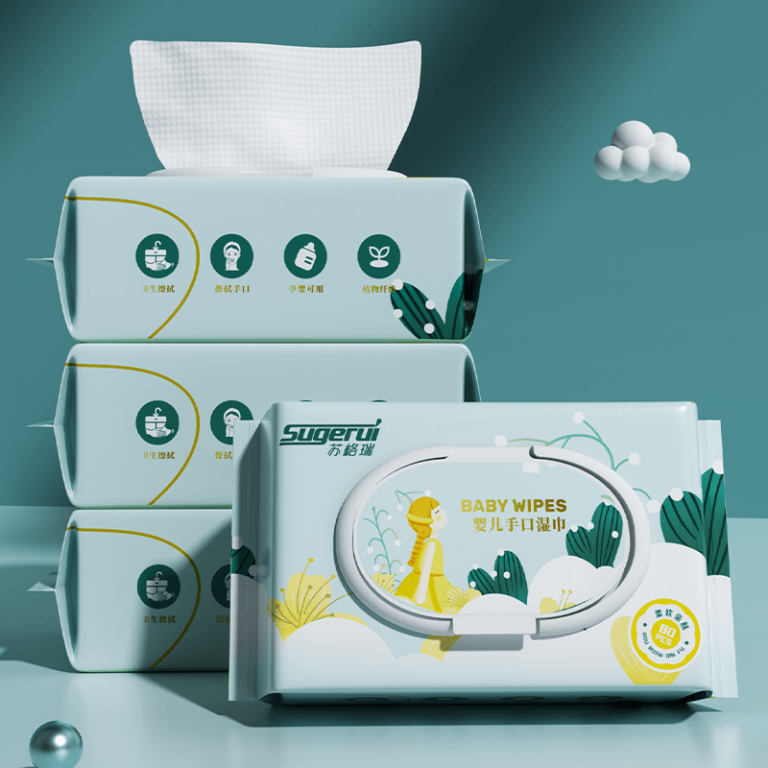
- Hygiene products (diapers, wipes)
- Insulation materials

Sustainability Face-Off
Woven Pros:
- Lasts years (replaces 1000+ disposable items)
- Often natural fibers (cotton, jute, hemp)
- Biodegradable options available
Non-Woven Pros:
- Lower production energy
- Often uses recycled materials (rPET)
- Lightweight = lower shipping emissions
The verdict: Woven wins for long-term reuse, non-woven wins for responsible single-use.
Myths Debunked
Myth 1: “Non-woven means cheap quality”
Truth: High GSM non-woven fabrics (like 120gsm PP) outlast cheap woven polypropylene.
Myth 2: “Woven is always more eco-friendly”
Truth: A cotton tote must be used 7,100 times to break even with plastic bags (Danish EPA study). Sometimes non-woven is better.
Myth 3: “You can’t print on non-woven”
Truth: Non-woven accepts digital printing beautifully – often with sharper details than woven textures.
Pro Tips for Businesses
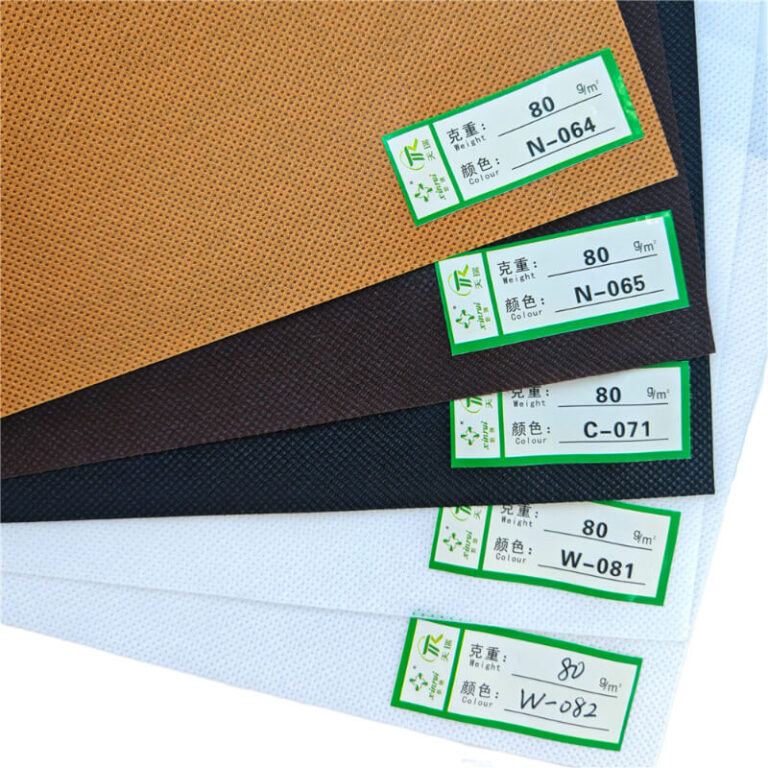
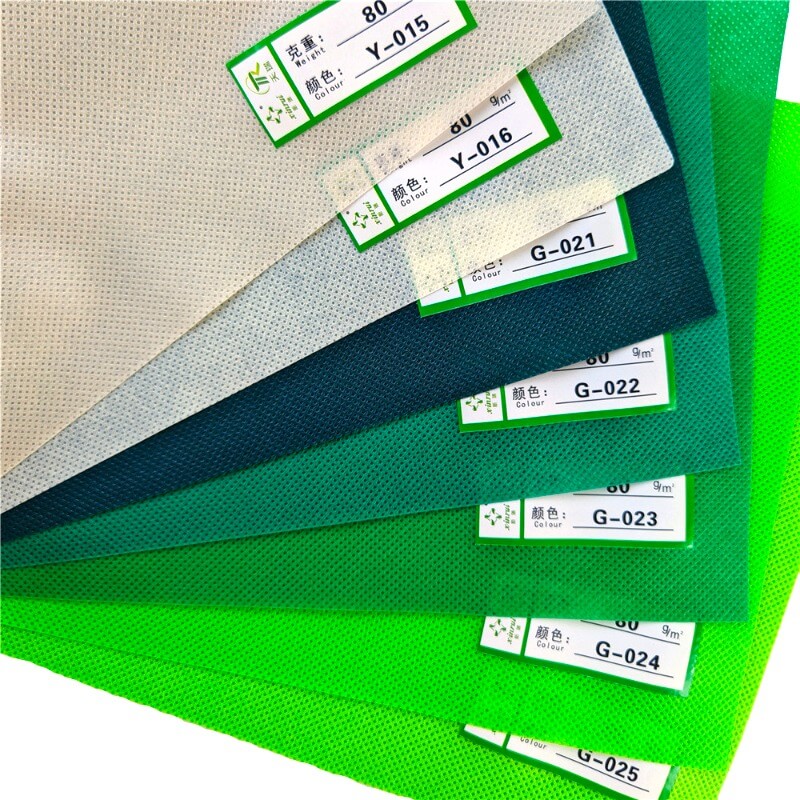
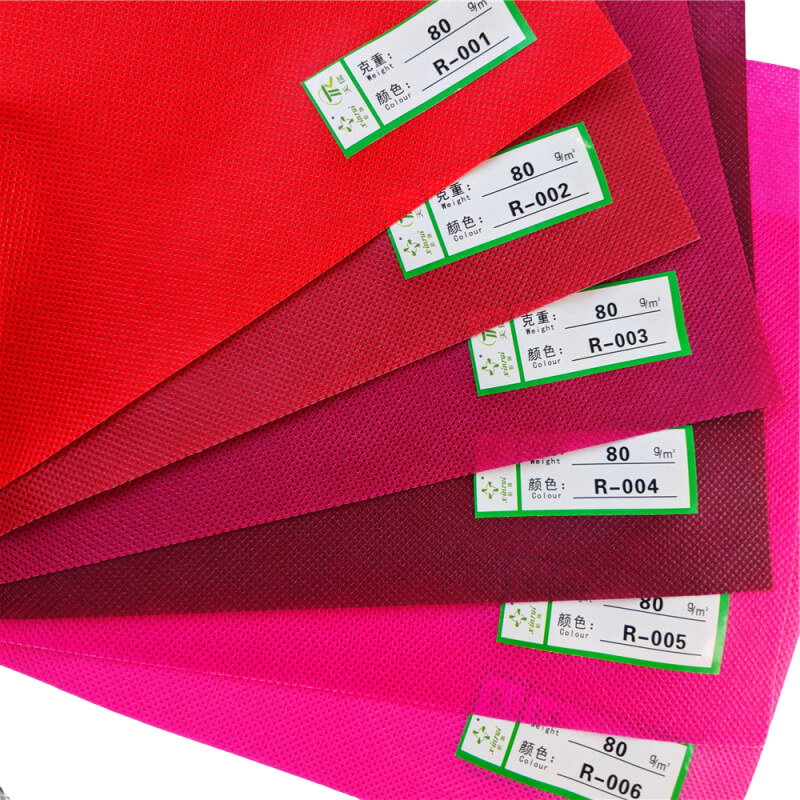
- Sample before scaling – request both 80gsm and 120gsm non-woven samples
- Check composition – non-woven PP vs polyester behave differently
- Consider end-of-life – will customers recycle or landfill?
- Test real use – load bags with 15lbs and walk 100 steps
The Final Word
Woven fabrics are your go-to for heirloom-quality products that need to withstand years of use. Non-woven fabrics solve modern problems: affordable disposability, consistent barriers, and mass customization. The “better” fabric depends entirely on whether you’re making a family backpacking tent or a pandemic-era face mask.