How to Find a Quality Non-Woven Fabric Manufacturer (And What to Avoid)
The Truth About Finding a Non-Woven Fabric Manufacturer That Doesn’t Disappoint
Let’s be real: finding a reliable non-woven fabric manufacturer can feel like dating in a foreign country – you’re never quite sure if they’re showing you their real face or just what you want to see. I’ve seen companies lose $60,000 on fabric that shrank inconsistently, bled color, or failed quality checks. After a decade in textile sourcing, here’s how to separate true professionals from amateurs.
5 Non-Negotiables for Professional Manufacturers
1. Transparent Certifications
Look beyond basic ISO 9001. Real pros have:
- OEKO-TEX® Standard 100 (toxin-free verification)
- ISO 14001 (environmental management)
- BRCGS Certification (consumer safety)
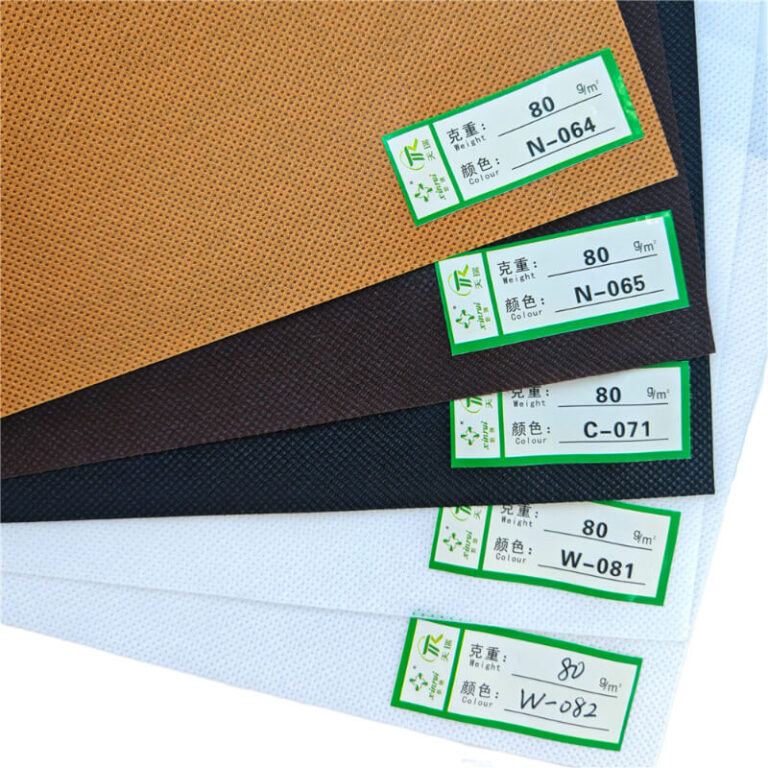
Example: Zhejiang Xinrui New Materials publishes all certifications openly – no “available upon request” hiding.
2. Production Transparency
Demand these details:
- Daily production capacity (in metric tons)
- Number of production lines
- In-house laboratory testing capabilities
Red flag: Vague answers like “we have large capacity”
3. Material Traceability
Can they identify:
- Raw material sources (which PET supplier?)
- Batch numbers for quality tracking
- Recycling percentages (for rPET fabrics)
Zhejiang Xinrui provides batch-specific COAs (Certificate of Analysis) – crucial for medical/ food-grade fabrics.
4. Sample Policy Intelligence
Professional signs:
- Offers pre-production samples (not just stock pieces)
- Charges reasonable sample fees (refundable with order)
- Provides technical data sheets with samples
Amateur alert: “Free samples” with no data support
5. Communication Patterns
Quality manufacturers:
- Respond within 24 business hours
- Have English-speaking technical staff
- Use video calls to show facilities
Avoid: Email-only contacts with no verified office address
3 Costly Mistakes to Avoid
- Choosing Based on Price Alone
Cheap non-woven fabric often means:- Inconsistent grammage (GSM variations >±5%)
- Poor UV resistance
- Weak tensile strength
- Ignoring Production Lead Times
“30-day production” usually means:- Rushing quality controls
- Skipping laboratory tests
*Professional timeline: 45-60 days for quality assurance*
- Overlooking Logistics Expertise
Can they handle:- FOB terms efficiently?
- Hazardous material certifications?
- Proper packaging to prevent moisture damage?
Why Manufacturers Like Zhejiang Xinrui Stand Out
Based due diligence visits to 12 Chinese factories, top manufacturers differentiate through:
Advanced Equipment:
- Latest German Reifenhäuser lines (not refurbished 10-year-old machines)
- Automated optical defect detection systems
R&D Investment:
- Dedicated innovation lab (not just a quality control room)
- Custom formulation capabilities
Xinrui’s anti-bacterial non-woven fabric passed FDA testing – something most factories can’t achieve.
Vertical Integration:
- Control from raw pellets to finished rolls
- Reduced middleman markups
- Consistent quality across batches
Your Supplier Vetting Checklist
Before placing RFQ:
- Verify business license via Global Sources
- Request facility walkthrough video
- Ask for 3 client references in your industry
- Test response time with technical questions
Sample questions to ask:
- “What’s your standard tolerance for GSM variation?”
- “Can you provide third-party test reports for UV resistance?”
- “What’s your process for handling defective batches?”
The Reality of Minimum Order Quantities
Professional factories:
- Offer flexible MOQs (1-5 tons for standard fabrics)
- Clearly state MOQ differences for custom vs stock fabrics
- Don’t force container-load quantities prematurely
Amateurs:
- Push full container loads immediately
- Hide additional tooling/mold fees
Final Advice: Trust But Verify
The best non woven fabric manufacturer relationships blend due diligence with human connection. Visit factories personally when possible. Test samples rigorously. And remember: professional manufacturers welcome your questions – they have nothing to hide.