How to Vet a Non Woven Manufacturer: The 5-Step Checklist for Smart Buyers
The Factory Visit That Changed Everything
I still remember landing in Guangdong, confident my new non woven manufacturer was perfect—until I saw the mismatched fabric rolls and the “quality control” guy smoking over unfinished goods. That one oversight cost my client $47,000 in rejected shipments.
Let’s be honest: finding a reliable non woven manufacturer isn’t about scrolling Alibaba profiles. It’s a due diligence process that separates partners from problems.
Your 5-Point Assessment Framework
1. Certifications vs. Actual Compliance
Any factory can frame an ISO certificate. The real question is how recent and relevant it is.
- Must-have: ISO 9001 (Quality Management), OEKO-TEX® Standard 100 (for textiles touching skin)
- Hidden gem: BSCI or SMETA audit reports (ethical production)
- Red flag: No in-house lab for basic GSM or tensile strength tests
Ask directly: “Can I see your last external audit report?” Their reaction tells you everything.
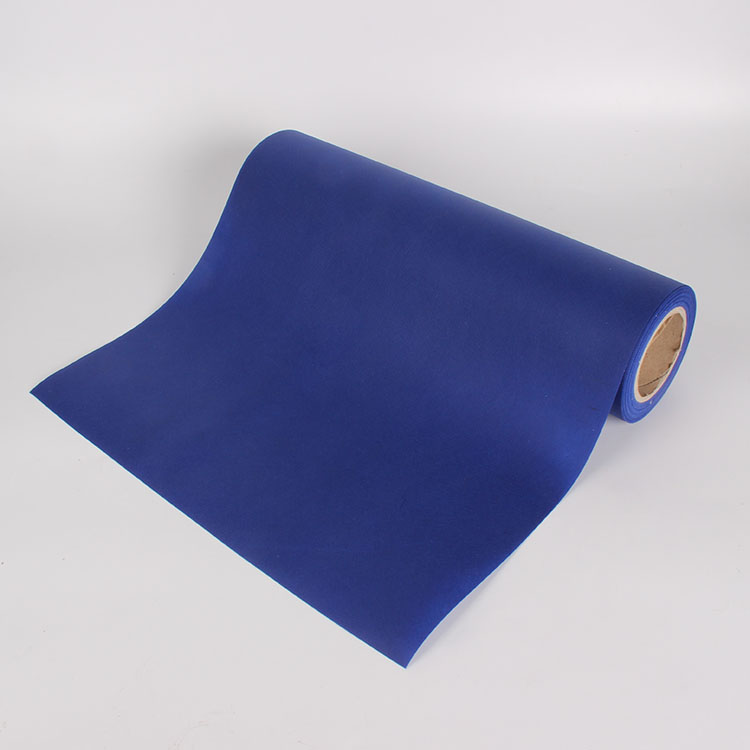
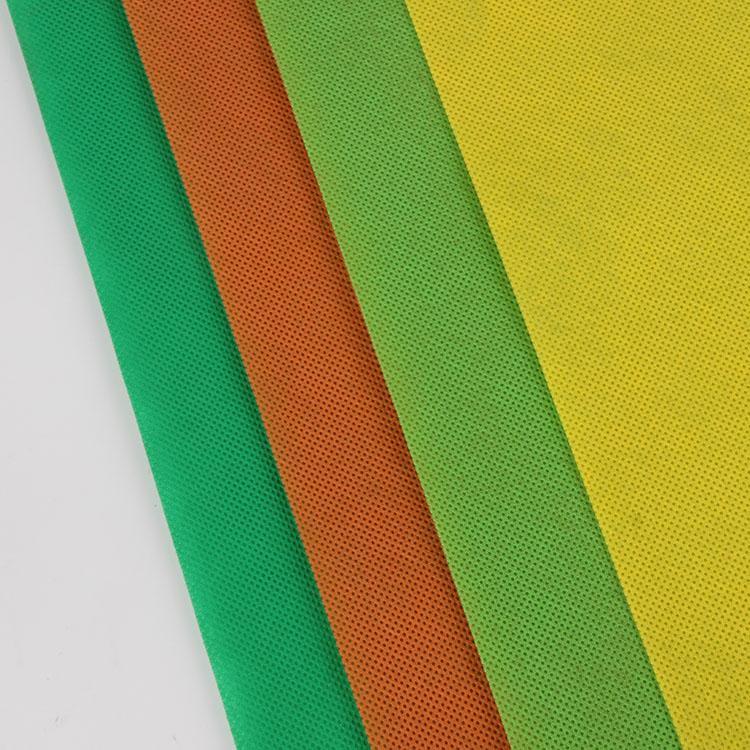
2. Production Capacity – Beyond the Brochure
“We can do 50 tons monthly” sounds great until you need consistency.
- Visit physically or via live video tour
- Note equipment age: European machines (Reifenhäuser, etc.) often outperform decade-old knockoffs
- Ask about minimum order quantities (MOQs) per fabric type:
- Spunbond PP: 1-2 tons is reasonable
- Meltblown: Expect higher MOQs
Pro tip: Request a production schedule snapshot. Chaos here means delayed shipments.
3. The Sample Deception
A perfect sample means nothing if bulk consistency fails.
- Order a “pre-production sample” from a trial run, not a custom-made showcase
- Test for: GSM variance (±3% is acceptable), uniformity of finish, edge trimming quality
- Crucial: Ask for certificates of analysis (COA) from their last three bulk orders
4. Communication & Problem-Solving Culture
Email response time under 4 hours is good, but how they handle problems defines them.
- Scenario test them: “What happens if our fabric fails a contamination test?”
- Request a dedicated contact—not a generic sales@ email
- Warning sign: Overpromising on specifications (“Yes, we can do that!” without technical questions)
One good non woven manufacturer I work with always asks: “Where will this fabric be used?” That technical curiosity prevents 80% of issues.
5. Transparency in Pricing & Lead Times
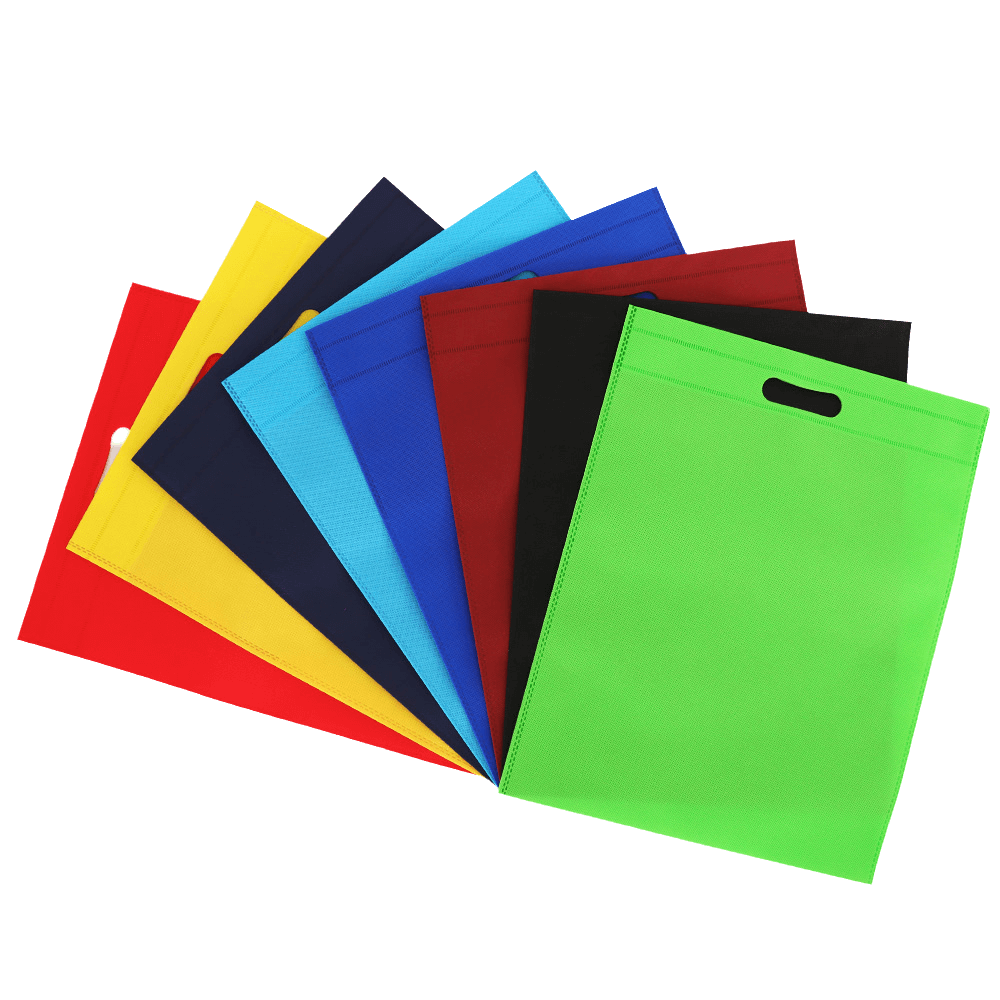
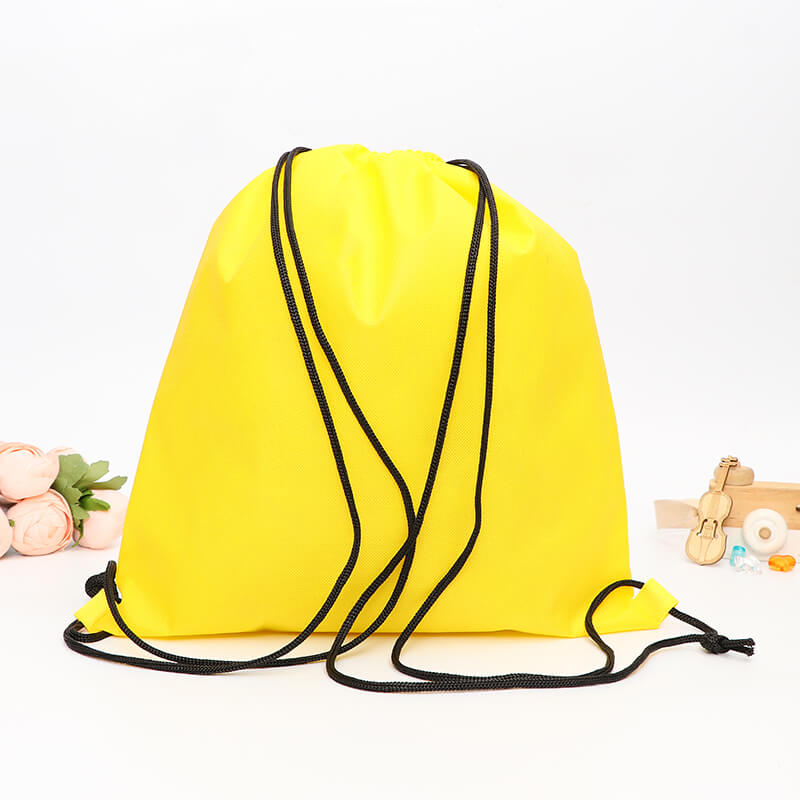
If the quote seems too good to be true, it is.
- Raw material transparency: Are they using Sinopec PP or generic pellets?
- Breakdown clarity: Demand separate lines for material, conversion, and logistics
- Lead time realism: 15-20 days for standard orders is honest; “7 days” usually means cutting corners
The On-Site Checklist (If You Can Visit)
If travel is possible, focus on these often-overlooked details:
- Floor organization (neat = disciplined workflow)
- Raw material storage (is PP resin stored away from moisture?)
- Worker turnover (ask long-time staff about training)
- How they handle rejects (is there a systematic quarantine area?)
Your Due Diligence Shortcut
- Start with 5 potential manufacturers
- Request identical samples and COAs
- Run a pilot order (10-20% of your typical volume)
- Test thoroughly—even if it delays launch by two weeks
Remember: The cheapest manufacturer often becomes the most expensive. A reliable partner might cost 8-12% more but saves you from rejected containers, delayed projects, and brand reputation damage.