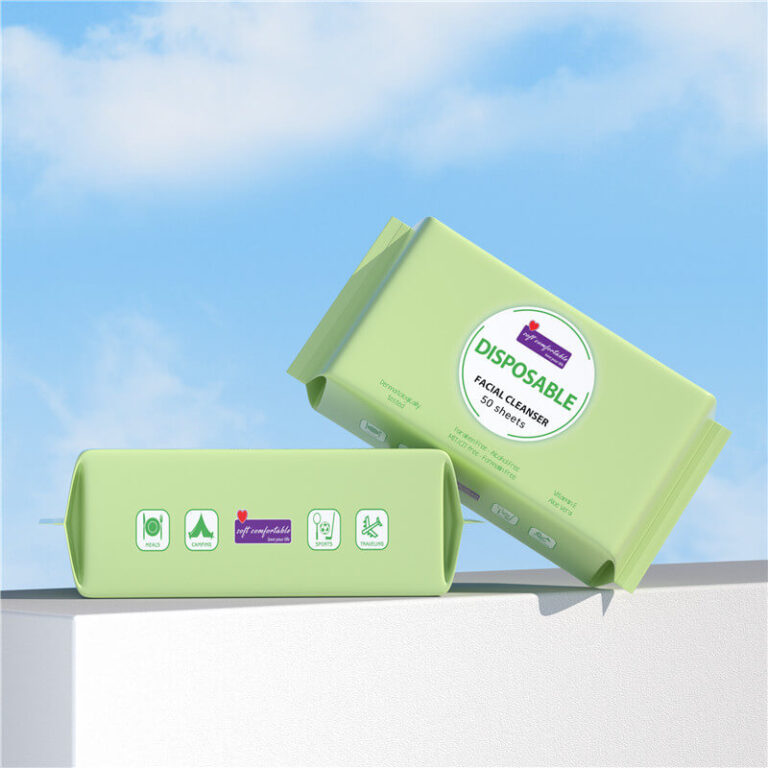
How Spunlace Non-Woven Fabric is Made & Why It’s Incredibly Soft
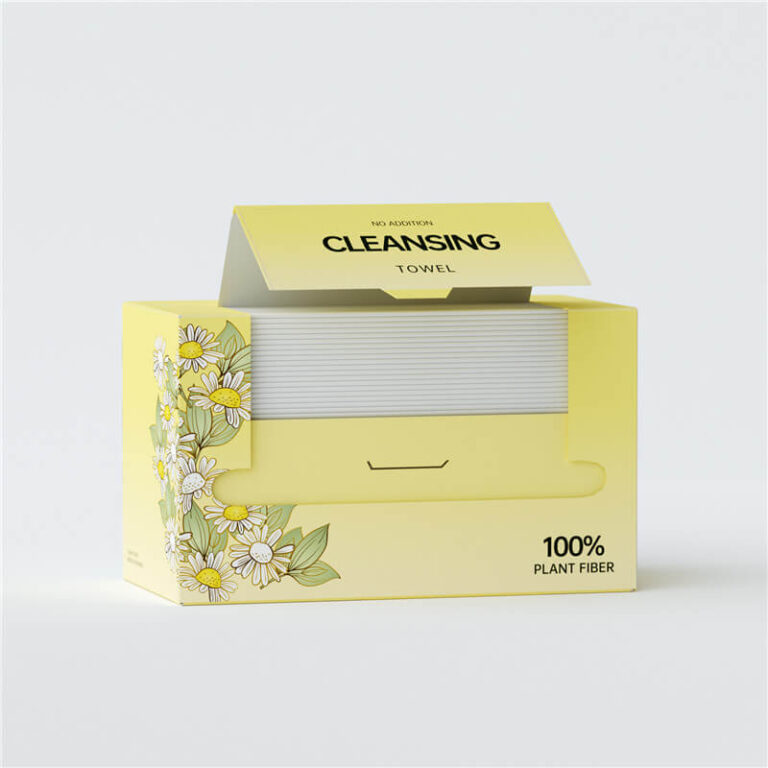
Ever wonder why your favorite disposable face towel feels more like soft cloth than paper? That’s the magic of spunlace non-woven fabric. Unlike traditional textiles that require weaving or knitting, spunlace uses a completely different approach—one that results in a material so gentle it’s become the gold standard for facial wipes, cosmetic pads, and premium cleaning cloths.
At Seemrich, we’ve worked extensively with spunlace materials and seen firsthand why they outperform other options. Let’s walk through how this remarkable fabric is made and what gives it that irresistible softness.
The Science of Soft: How Spunlace is Made
The technical name for this process is hydroentanglement, which sounds complicated but is actually quite elegant. Here’s how it works:
Step 1: Fiber Preparation
It starts with loose fibers—typically natural ones like cotton, viscose (from wood pulp), or bamboo, sometimes blended with polyester for added strength. These fibers are cleaned and carded, which means they’re combed into a thin, uniform web. Think of it like untangling hair to create a smooth, consistent layer.
Step 2: High-Pressure Water Jets
This is where the magic happens. The fiber web passes under rows of specialized jets that spray ultra-fine water streams at incredibly high pressure—up to 2200 psi or more. These water needles are thinner than a human hair, with diameters around 100-120 micrometers.
As the water jets hit the web, they physically entangle the fibers, twisting and knotting them together. The water also rebounds off the conveyor belt below, creating a second layer of entanglement from underneath.
Step 3: Drying and Finishing
After the fibers are thoroughly entangled, the fabric moves through drying rollers to remove moisture. Depending on the desired end use, it may receive additional treatments—like calendering (smoothing with heat) or surface patterning.
The Key Difference: No glues, no chemical binders, no weaving. Just pure mechanical bonding using water. This clean process is why spunlace feels so natural against skin.
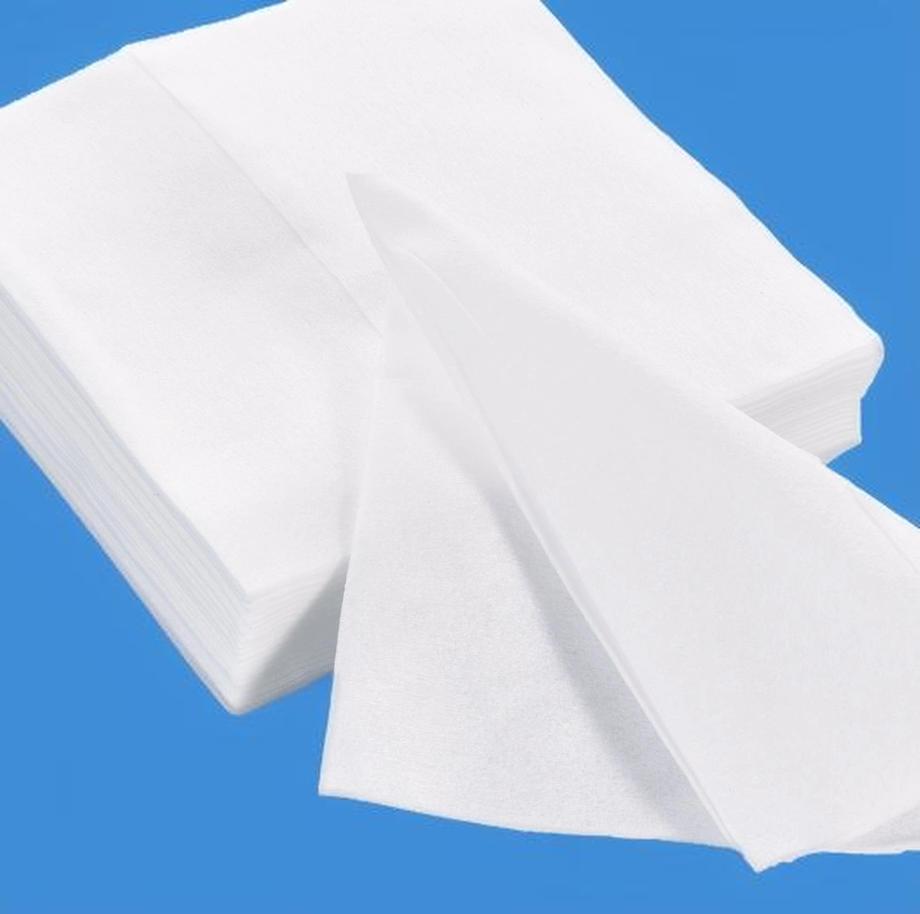
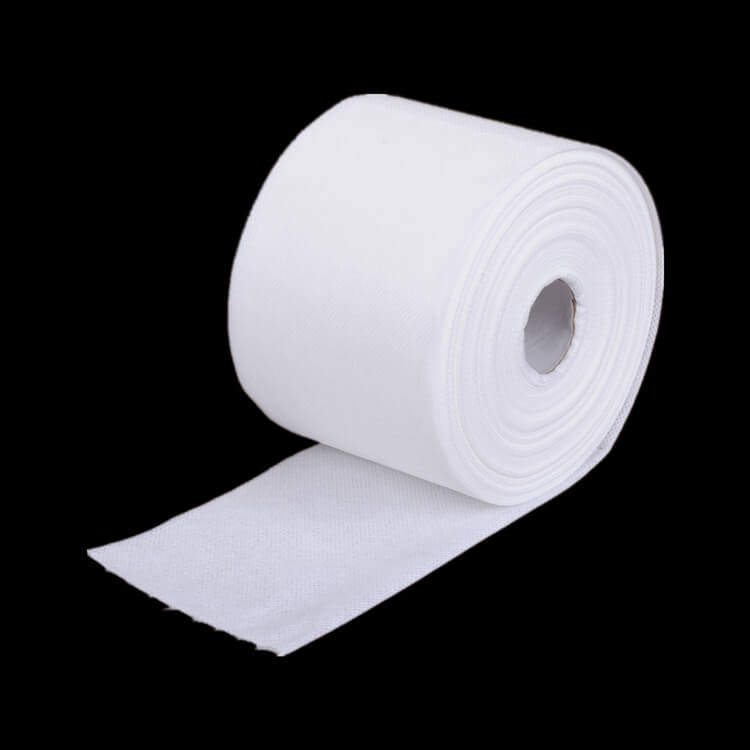
Why Spunlace is Softer Than Other Non-Wovens
You might be thinking: “Okay, but why does this specific process create such soft fabric?” Great question. Here are the real reasons:
1. Gentle Fiber Treatment
Unlike needle punching (which uses barbed needles to mechanically punch through fabric) or chemical bonding (which uses adhesives), water jets don’t damage or stiffen individual fibers. The fibers retain their natural flexibility and smooth surface. It’s like the difference between being gently massaged versus being poked with sticks.
2. No Chemical Residue
Because there are no binders or adhesives, the fabric doesn’t have that stiff, plasticky feel some non-wovens develop. What you feel is just the fiber itself—soft, natural, and pure.
3. Three-Dimensional Structure
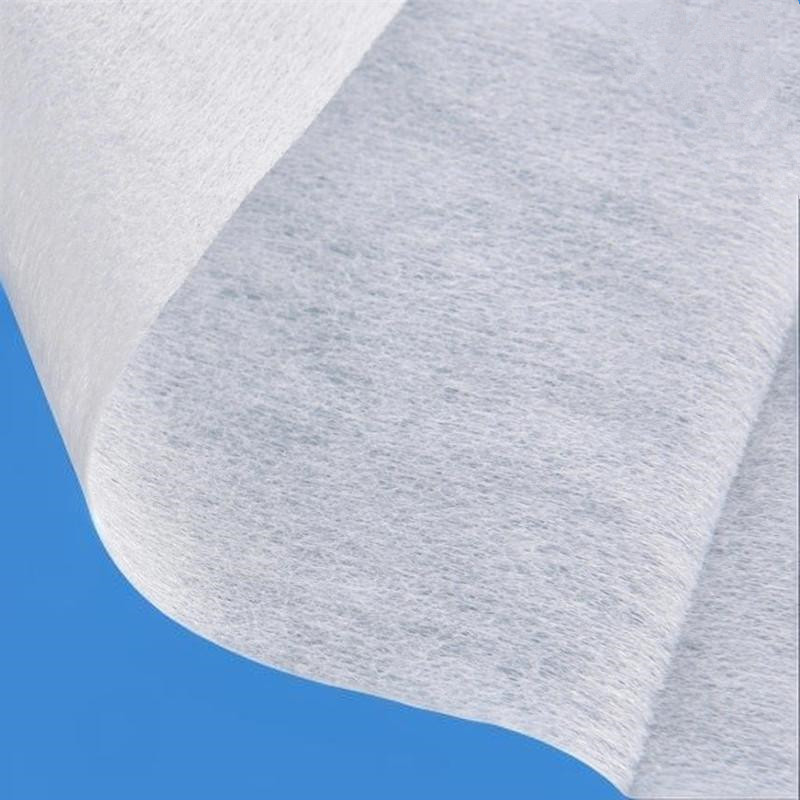
The water jets create a fabric where fibers are entangled in multiple directions, not just pressed flat. This creates tiny air pockets and a slightly lofty structure that feels plush and cushiony against skin.
4. Fiber Choice Matters
At facilities like Seemrich’s partner mills, manufacturers can select specific fibers for softness. Viscose and cotton are naturally soft choices, while microfiber variations create an ultra-smooth surface. The hydroentanglement process preserves these natural properties rather than masking them.
What Determines Softness? Key Factors Explained
If you’re sourcing spunlace for your brand, here’s what affects the final feel:
Fiber Type:
- Cotton & Viscose: Naturally soft, excellent for sensitive skin
- Bamboo: Silky smooth with natural antibacterial properties
- Polyester Blends: Adds strength but can feel less soft—quality manufacturers balance the blend carefully
Fiber Fineness:
Thinner fibers (measured in denier) create softer fabric. Microfibers, which are extremely fine, produce an almost silky surface texture.
GSM (Weight):
Lighter fabrics (35-45 GSM) feel delicate and are great for toner application. Heavier fabrics (60+ GSM) feel plush and towel-like—perfect for double cleansing.
Surface Finish:
Some spunlace undergoes light calendering (smoothing with heat) or embossing with patterns like pearls or honeycomb, which can enhance the perceived softness.
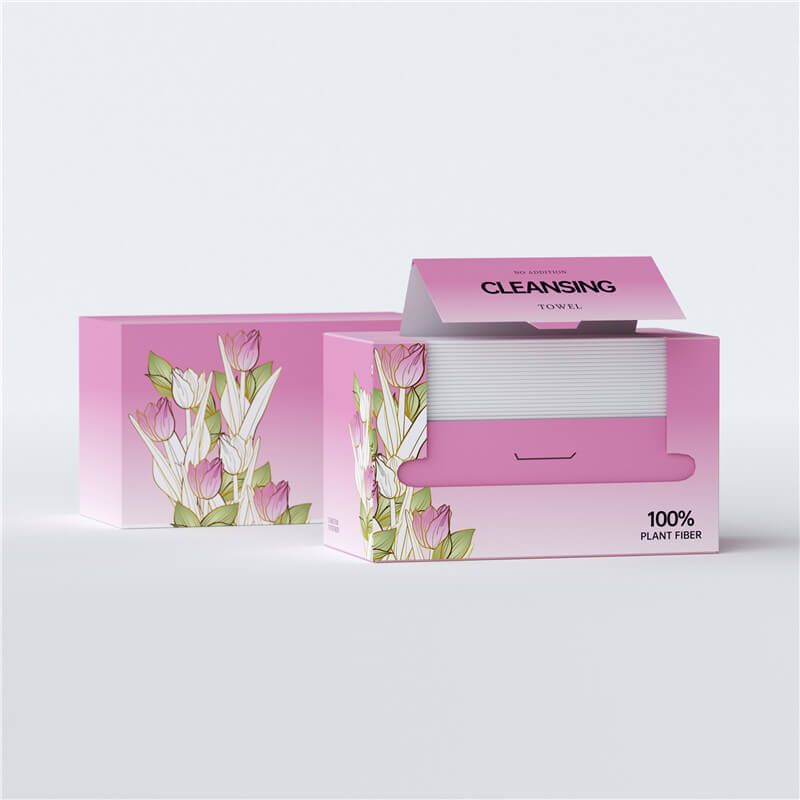

Why Your Skincare Routine Deserves Spunlace
Still using regular cotton rounds or cheap wipes? Here’s why upgrading to spunlace matters:
No Lint, No Fuzz
Because fibers are mechanically entangled rather than just pressed together, spunlace doesn’t shed. You won’t find white fuzz stuck to your face after using toner.
Superior Absorption
The three-dimensional fiber structure creates capillary action that draws in liquid quickly. One spunlace towel can hold enough toner or cleanser for your entire routine.
Gentle Enough for Sensitive Skin
The lack of chemical binders means no irritating residues. For anyone with conditions like eczema or psoriasis, this is a game-changer.
Strength When Wet
Unlike paper-based products that disintegrate, spunlace maintains its integrity even when saturated. You can scrub, wipe, and even reuse a single towel throughout your routine.
Beyond Face Towels: Where Else Spunlace Shines
While facial wipes are the most visible application, spunlace versatility extends further:
- Baby Wipes: The softness is gentle on newborn skin
- Makeup Remover Pads: Reusable and disposable versions both benefit from spunlace’s lint-free nature
- Medical Wipes & Dressings: Clean, hypoallergenic, and perfect for sensitive post-surgery skin
- Household Cleaning Cloths: Strong enough for kitchen use but soft enough for screens and glasses
The Bottom Line
Spunlace non-woven fabric represents the perfect marriage of technology and nature. By using nothing but water and carefully selected fibers, manufacturers create a material that’s soft, strong, and surprisingly versatile. Whether you’re a consumer looking for better skincare tools or a brand exploring product development, understanding spunlace helps you make smarter choices.
At Seemrich, we’re passionate about connecting businesses with quality non-woven materials that elevate their products. From custom facial towels to specialized wipes, we help bring your vision to life.
Ready to explore spunlace options for your brand? [Contact Seemrich today] to discuss your project.