Non-Woven for Hygiene Products: Why Wipes, Towels & Masks Rely on This Material
Non-Woven for Hygiene Products: The Unsung Hero of Daily Cleanliness
Let’s be real: you’ve used at least one hygiene product today that contains non-woven fabric. That gentle makeup wipe? Non-woven. The disposable face towel you patted dry with? Non-woven. Even the mask you might have worn on public transport—yep, non-woven. These materials are everywhere, yet most people have no idea how they work or why they’re so effective.
At Seemrich, we’ve spent years helping brands source high-quality non-woven fabrics for hygiene applications. Today, I’ll break down why this material dominates the world of wipes, towels, and masks—and what you should look for if you’re considering it for your own product line.
What Makes Non-Woven Ideal for Hygiene?
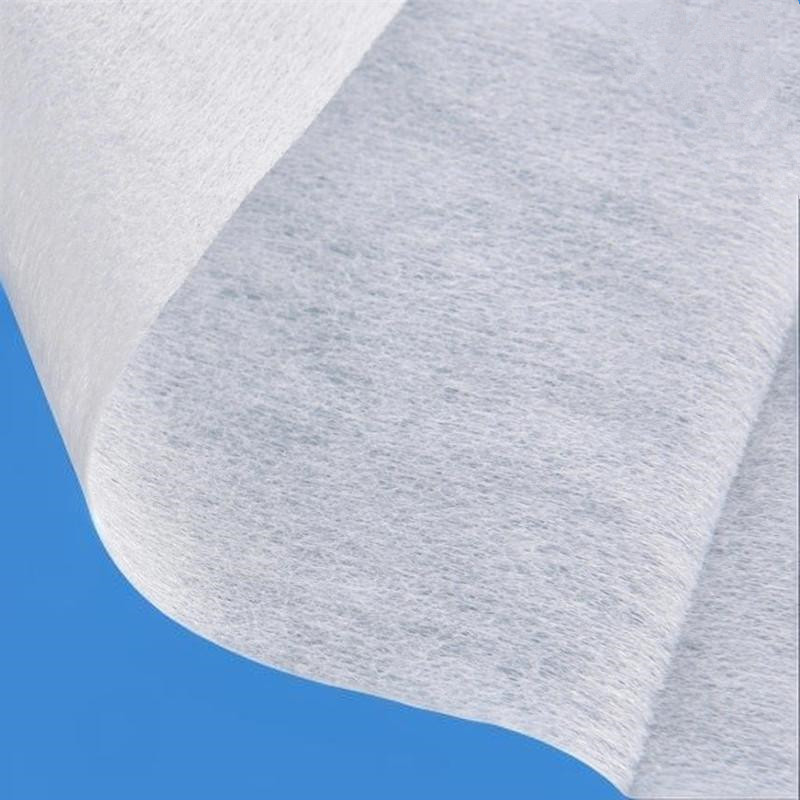
Unlike traditional woven fabrics (think bed sheets or t-shirts), non-wovens are engineered directly from fibers without weaving or knitting. They’re bonded through mechanical, thermal, or chemical processes. This gives them unique properties that are perfect for single-use or limited-use hygiene products:
- Controlled porosity – allows liquids to pass through or be absorbed
- Lint-free surfaces – no fuzz left behind on skin
- Softness – gentle enough for sensitive areas
- Strength when wet – won’t fall apart during use
- Cost-effectiveness – affordable for disposable applications
For hygiene products, these aren’t just nice-to-haves. They’re essential.
Wet Wipes: The Everyday Essential
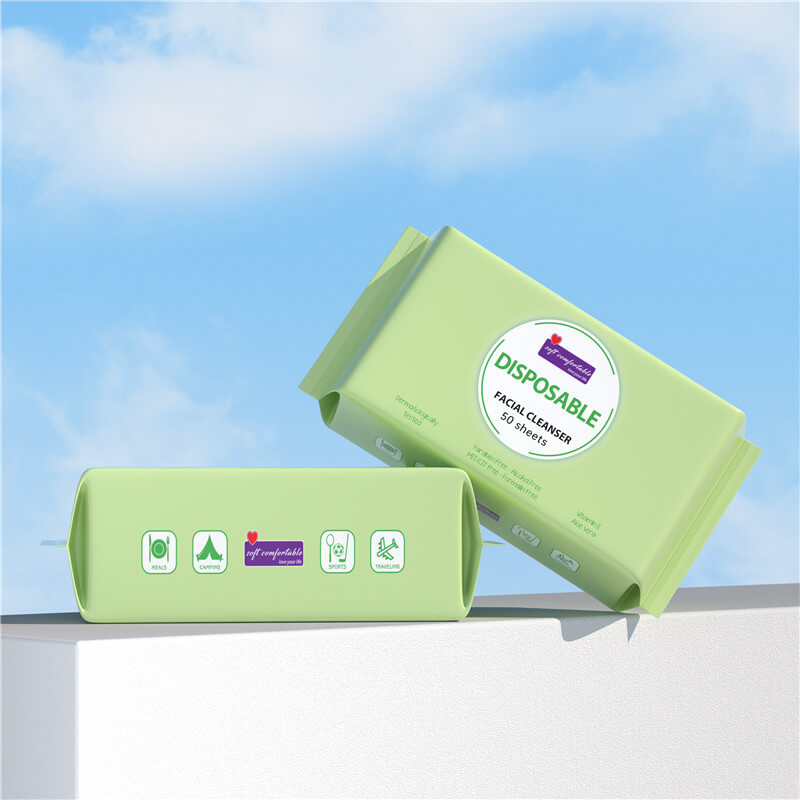
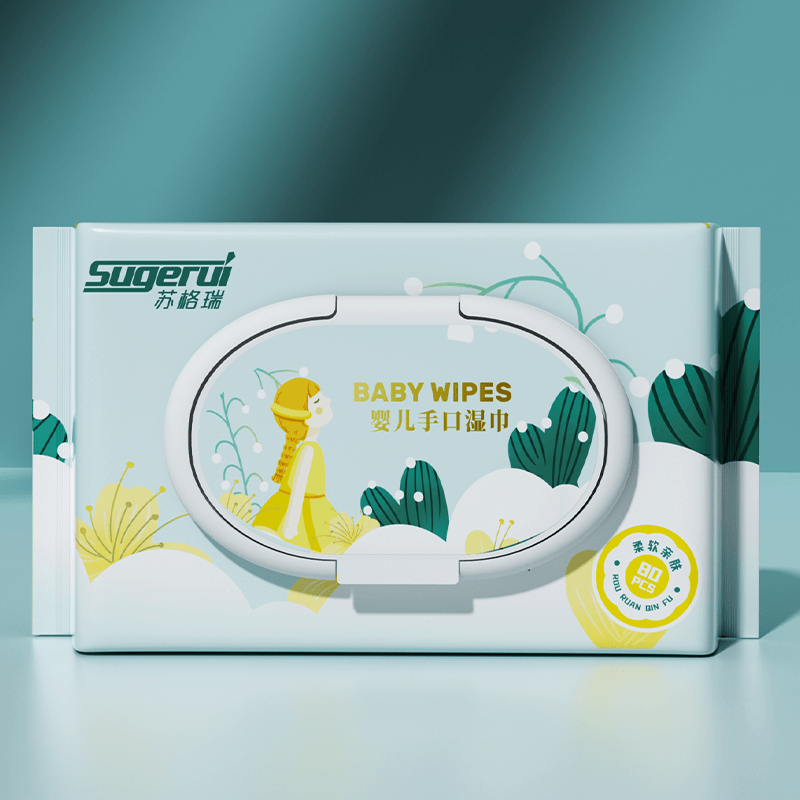
Wet wipes are probably the most recognizable non-woven hygiene product. Baby wipes, hand wipes, antibacterial wipes, even pet wipes—they all rely on the same basic technology.
The Material: Most wet wipes use spunlace non-woven fabric. The hydroentanglement process (high-pressure water jets) tangles fibers together without chemical binders. The result is a cloth-like material that’s soft, strong, and highly absorbent.
Fiber Choices:
- Viscose: Made from wood pulp. Biodegradable, soft, and absorbent. The most common choice.
- Cotton: Ultra-gentle, often blended with viscose for balance.
- Polyester blends: Adds durability, used for heavy-duty wipes.
What to Look For:
- GSM (grams per square meter): 35–60 GSM works well for most wipes. Lighter for thin wipes, heavier for plush ones.
- Lotion compatibility: The fabric must hold and release the liquid solution evenly.
- Certifications: OEKO-TEX Standard 100 ensures no harmful substances.
Face Towels: The Skincare Upgrade
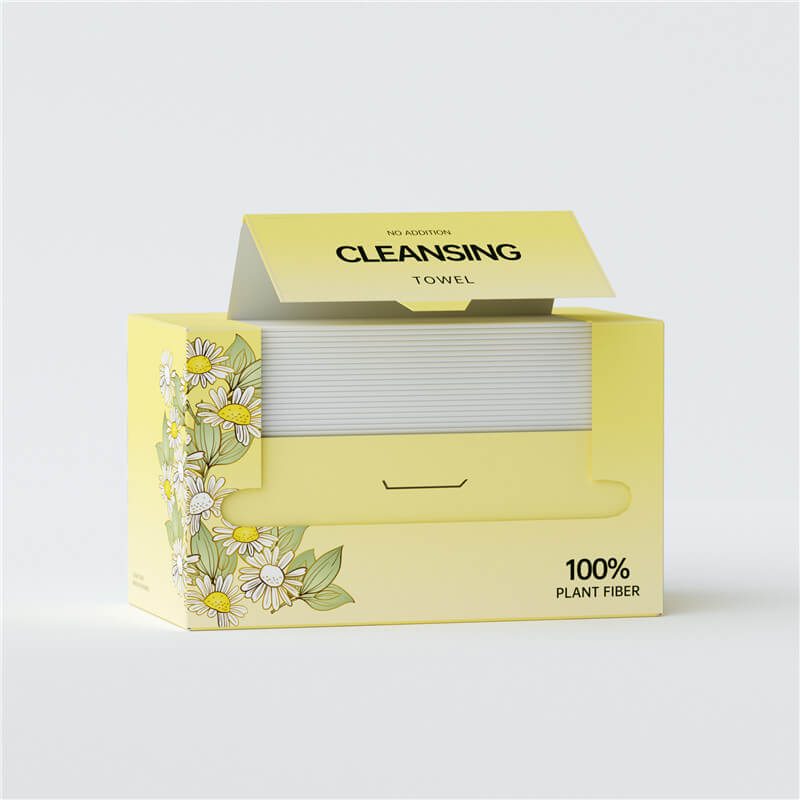
If you’ve ever used a disposable face towel, you know how much better they feel than rough paper towels or linty cotton balls. Non-woven face towels have exploded in popularity for good reason.
Why They’re Better:
- No lint or fuzz – nothing sticks to your moisturizer or mascara.
- High absorbency – one towel can hold enough toner for your whole face.
- Consistent texture – every sheet feels the same.
- Hygienic – fresh towel every time, no bacteria buildup.
Material Preferences: Spunlace made from viscose or bamboo is the top choice for face towels. Bamboo adds natural antibacterial properties, which is a nice bonus for acne-prone skin.
GSM Recommendations:
- 35–45 GSM: Lightweight, good for toner application.
- 45–60 GSM: Medium weight, ideal for daily cleansing.
- 60+ GSM: Plush and spa-like, great for double cleansing.
Face Masks: Protection Meets Comfort
The pandemic put non-woven masks in the spotlight, but they were already widely used in medical settings for decades. Surgical masks and many disposable respirators rely on multiple layers of non-woven fabric.
The Layered Approach:
- Outer layer: Spunbond non-woven (hydrophobic, repels fluids)
- Middle layer: Meltblown non-woven (the filtration layer, captures particles)
- Inner layer: Soft spunbond or spunlace (comfort against skin)
Why Non-Woven?
- Filtration efficiency: Meltblown fibers are microscopically fine, creating a dense barrier against droplets and aerosols.
- Breathability: Despite the density, the material allows air to pass through.
- Skin-friendly: The inner layer is soft and non-irritating for all-day wear.
For brands considering mask production, quality control is critical. The meltblown layer must meet specific filtration standards (like BFE or PFE ratings), and the entire mask should be tested for breathability and fluid resistance.
Spunlace vs. Spunbond vs. Meltblown: Quick Comparison
| Process | Best For | Key Property |
|---|---|---|
| Spunlace | Wipes, face towels, cosmetic pads | Soft, cloth-like, absorbent |
| Spunbond | Mask outer/inner layers, gowns | Strong, smooth, fluid-repellent |
| Meltblown | Mask filtration layer, medical barriers | Fine fibers, high filtration |
| SMS (Spunbond-Meltblown-Spunbond) | Surgical masks, medical drapes | Combines strength & filtration |
For most hygiene products, spunlace is the go-to for softness and absorbency, while meltblown and SMS are essential for barrier protection.
Sustainability in Non-Woven Hygiene Products
Let’s address the elephant in the room: disposability. Yes, single-use hygiene products create waste. But the industry is making real progress:
- Biodegradable options: Viscose and cotton-based non-wovens break down naturally under the right conditions.
- Plastic-free certifications: Some wipes and towels are now certified plastic-free.
- Recycled content: rPET (recycled polyester) is increasingly available for spunbond layers.
- Compostable standards: Look for OK compost HOME or similar certifications.
At Seemrich, we encourage clients to balance performance with environmental responsibility. Sometimes that means choosing a biodegradable substrate. Other times, it means designing a product that’s durable enough to be reused several times before disposal.
What to Ask Your Non-Woven Supplier
If you’re sourcing non-woven fabrics for hygiene products, here’s your checklist:
- What’s the fiber composition? (Viscose, cotton, polyester, bamboo?)
- What’s the GSM range? (Does it match your application?)
- Is it certified OEKO-TEX? (Crucial for skin contact.)
- What’s the absorbency rate? (Test with your liquid formula.)
- Is it biodegradable or recyclable? (If sustainability matters to your brand.)
The Bottom Line
Non-woven fabrics are the backbone of modern hygiene products. From the gentle wipe that cleans your baby’s face to the mask that keeps you safe, these engineered materials deliver softness, strength, and protection at scale. Understanding the differences between spunlace, spunbond, and meltblown helps you make smarter decisions—whether you’re a consumer or a brand owner.
At Seemrich, we specialize in connecting businesses with the right non-woven solutions for their hygiene product lines. Need help choosing the perfect substrate for wipes, towels, or masks? Let’s talk.
Ready to bring your hygiene product to life? [Contact Seemrich today] to discuss your project.