How to Test Non-woven Fabric Quality: 5 Simple Methods That Actually Work
How to Test Non-woven Fabric Quality Without a Lab
You’ve received a sample roll from a supplier. It looks fine at first glance. But will it hold up after hundreds of shopping trips? Will it tear under pressure? Does the print stay vibrant after a few washes? These questions matter, especially if you’re ordering thousands of bags or rolls for your business.
At Seemrich, we’ve tested countless non-woven fabrics over the years. You don’t need a fancy laboratory to spot the difference between premium material and cheap, low-grade stuff. Here are five hands-on tests anyone can do at their desk or warehouse.
Test 1: The Feel Test (Hand & Drape)
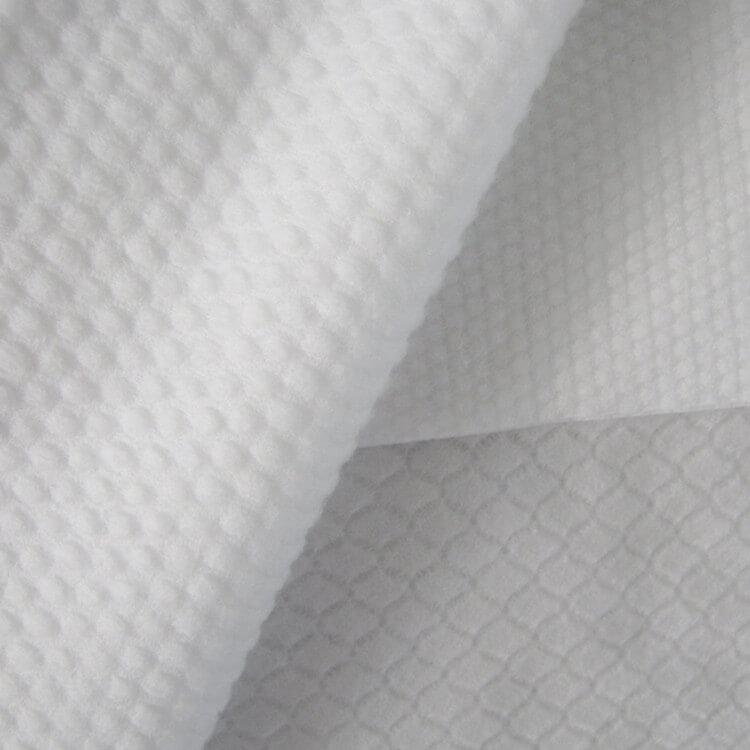
Good non-woven fabric should feel soft but not flimsy. Run your fingers across the surface. Does it feel rough, scratchy, or uneven? That’s a red flag.
What to do: Hold the fabric up by one corner. Quality material will drape gently, like a soft cloth. Cheap fabric either stands stiff like paper or collapses into a limp, wrinkled mess.
Pro tip: Compare two different GSM samples side by side. The difference in hand feel is immediate. At Seemrich, we always encourage clients to request physical samples before placing bulk orders.
Test 2: The Tear Test (Tensile Strength)
This is the most important test for shopping bags or any load-bearing application. You need to know if the fabric will rip under normal use.
What to do: Cut a small strip (about 2 inches wide). Hold it firmly with both hands and try to tear it apart. Quality non-woven fabric should resist tearing noticeably. You’ll feel the fibers stretching before they break. Cheap fabric tears like wet paper – with almost no resistance.
Also check: Pinch a small section between your thumb and forefinger and pull. Does it stretch slightly or snap immediately? A little give is good. Instant snap means low-quality material.
Test 3: The Water Resistance Test
Many non-woven shopping bags rely on water resistance to protect contents during light rain or spills. Not all non-wovens are created equal here.
What to do: Place the fabric flat. Drip a few drops of water onto the surface. Observe what happens:
| Result | Quality |
|---|---|
| Water beads up and rolls off | Excellent (coated or high-density) |
| Water sits for a few seconds, then slowly soaks in | Acceptable |
| Water soaks in immediately, leaving a dark spot | Poor – not water-resistant |
For grocery or retail bags, you want at least the second tier. Nobody wants their paper goods soaking through.
Test 4: The Abrasion Test (Surface Durability)
Will the fabric pill, fuzz, or lose its finish after light rubbing? This matters for bags that will be carried against clothing or stacked together.
What to do: Rub a small area of the fabric firmly with your thumb or the edge of a coin for about 10-15 seconds. Then look closely.
- Good fabric: Surface looks the same, maybe a slight texture change at most.
- Poor fabric: Visible fuzz balls, loose fibers, or even small holes.
Cheap non-woven fabric often has weak fiber bonding. The abrasion test reveals this instantly.
Test 5 (Bonus): The Light Test (Uniformity)
Hold the fabric up to a light source or a window. Look for thin spots, holes, or uneven density.
What to look for:
- Uniform opacity: Good fabric has consistent thickness across the entire sheet.
- No pinholes: Tiny holes mean inconsistent fiber distribution.
- Even color: No light or dark patches.
Uneven fabric leads to weak spots that tear unpredictably. For bags, that’s a nightmare waiting to happen at the checkout counter.
What About GSM? How to Check It Yourself
GSM (grams per square meter) is supposed to be a reliable spec, but some suppliers cut corners. You can do a rough check with a scale and a ruler.
Simple method: Cut a 10cm x 10cm square. Weigh it in grams. Multiply that number by 100 to get approximate GSM. For example, a 0.8g square = 80 GSM. If your 80 GSM bag weighs closer to 60 GSM, the supplier is shorting you.
Red Flags to Watch For
While testing, be alert for these signs:
- Chemical smell: Strong, lingering odor indicates residual solvents or poor-quality resins.
- Inconsistent color: Shifting shades within the same roll suggests poor production control.
- Static charge: Extreme static often means the fabric lacks anti-static treatment – fine for bags but annoying for users.
- Fraying edges: Non-woven shouldn’t fray like woven fabric. If it does, the bonding process failed.

Why Quality Testing Matters for Your Business
Saving a few cents per bag on low-quality non-woven fabric might seem smart, until customers complain about ripped bags or faded prints. Bad quality reflects poorly on your brand. People remember the bag that fell apart on the way to the car.
On the flip side, a durable, good-feeling bag with crisp printing becomes a walking advertisement. Your customers reuse it, and every use reinforces your brand.
What a Reliable Supplier Should Offer
A trustworthy manufacturer doesn’t hide from quality questions. They should be able to provide:
- Mill test reports (tensile strength, weight, thickness)
- Samples for you to run these tests yourself
- Consistency across batches – no surprises on reorders
At Seemrich, we supply non-woven fabrics and custom bags from partnered mills that undergo routine quality control at every stage. We’re happy to send you cut samples or full bag prototypes so you can perform every test mentioned above before committing.
The Bottom Line
Testing non-woven fabric quality doesn’t require expensive equipment or a PhD. A few minutes with your hands, some water, and good lighting will tell you most of what you need to know. Use these five tests, trust your observations, and don’t hesitate to ask suppliers for proof of quality.
Ready to work with non-woven fabric you can rely on?
[Contact Seemrich] – we’ll help you select the right material and provide samples you can test yourself.