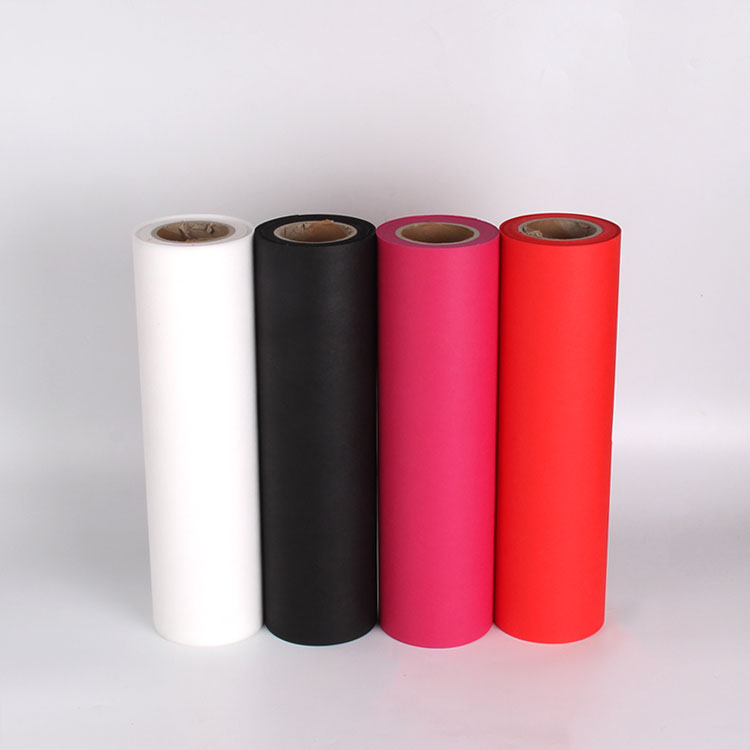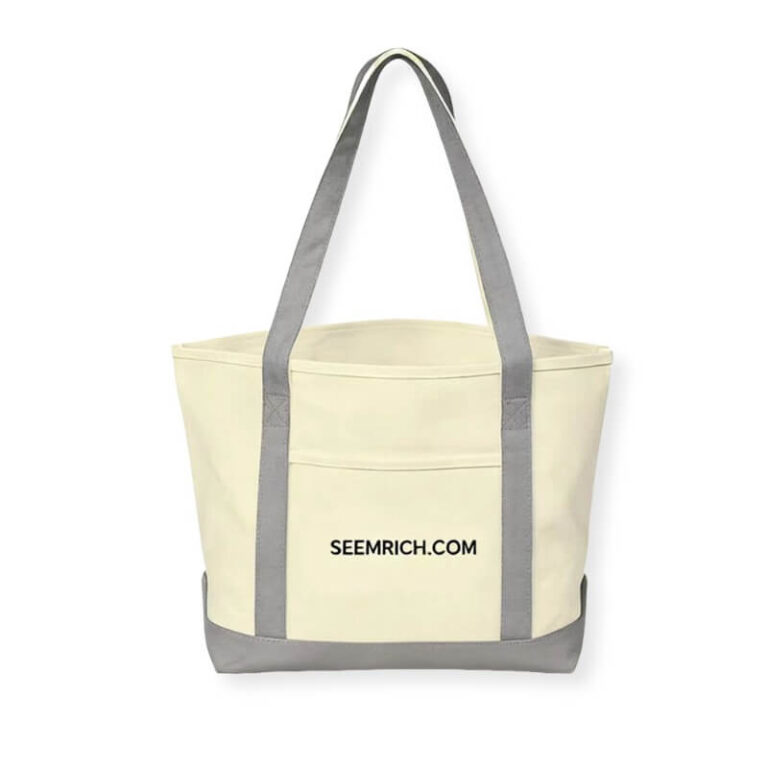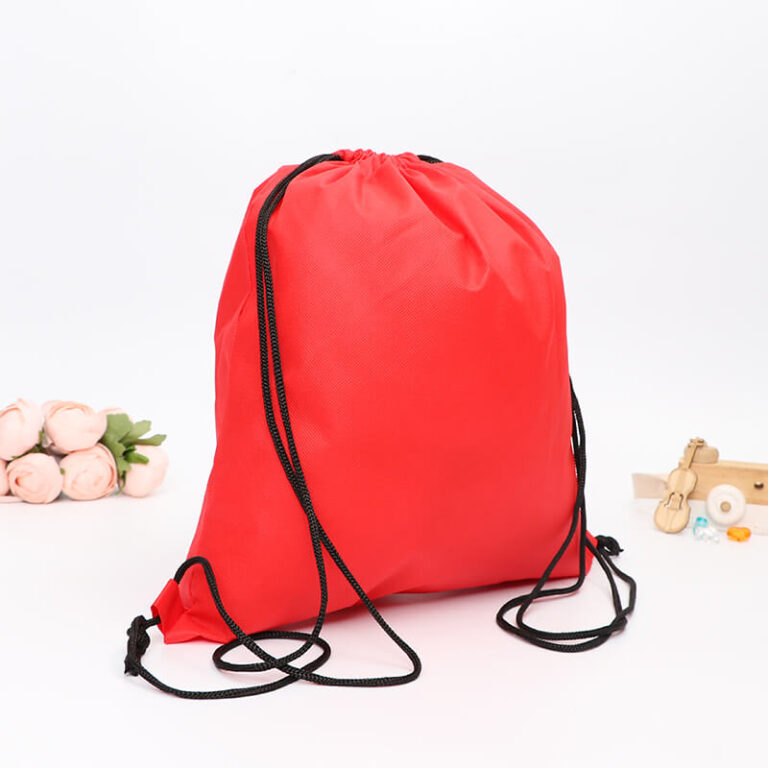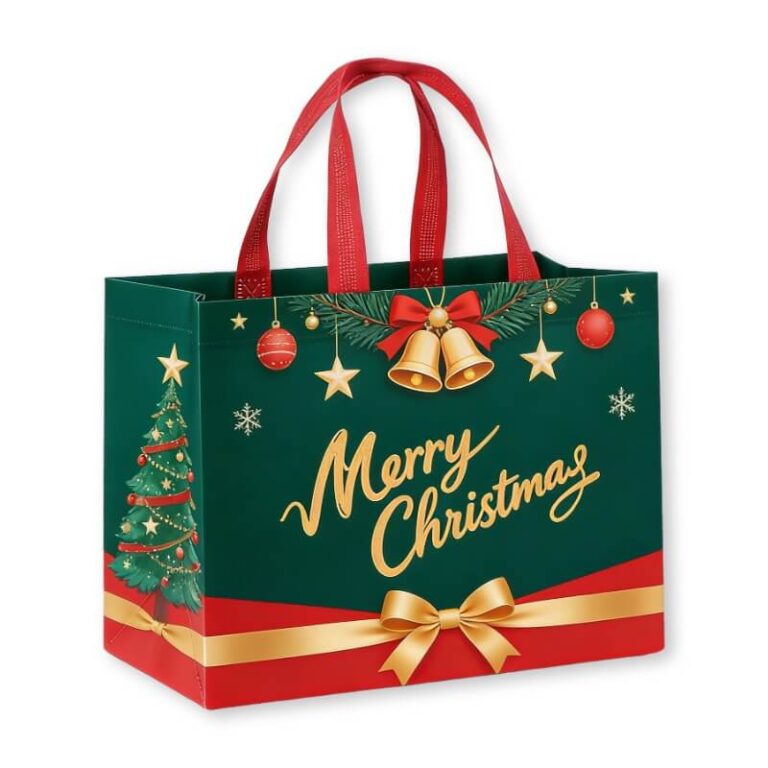
What’s the Best GSM for Non-woven Shopping Bags? A Complete Guide
What’s the Best GSM for Non-woven Shopping Bags? Let’s Settle This.
You’ve decided to order custom non-woven shopping bags. Great choice. Then the supplier asks: “What GSM do you want?” Suddenly you’re staring at numbers like 60, 80, 100, 120 – and you have no idea which one is right. Don’t worry. I’ve helped dozens of brands at Seemrich pick the perfect GSM, and I’ll walk you through exactly what each number means, how the bag will feel, and which one actually makes sense for your business.
What Does GSM Even Mean?
GSM stands for grams per square meter. In plain English: it’s the weight of the fabric. Higher GSM means thicker, denser, and generally stronger material. Lower GSM means lighter, thinner, and more flexible fabric.
For non-woven polypropylene shopping bags, GSM typically ranges from 60 to 120. Anything below 60 is too flimsy for real use. Anything above 120 is overkill for most shopping needs – you’re paying extra for thickness you probably don’t need.
The Three Most Common GSM Choices
Let’s break down the three GSM levels you’ll see most often, from lightest to heaviest.
60-70 GSM: Lightweight & Budget-Friendly
Feel: Thin, slightly crinkly, almost paper-like. You can see light through it.
Durability: Fine for very light items – a few t-shirts, a small gift, some produce. Don’t load it with heavy groceries or pointy boxes.
Best for:
- Promotional giveaways (trade shows, events)
- Single-use alternatives to plastic bags
- Light retail purchases (candles, scarves, books)
Who chooses this? Businesses on a tight budget who need a large quantity of bags that look decent but won’t be reused heavily. Honestly, I don’t recommend 60 GSM for everyday shopping. Customers notice the flimsy feel.
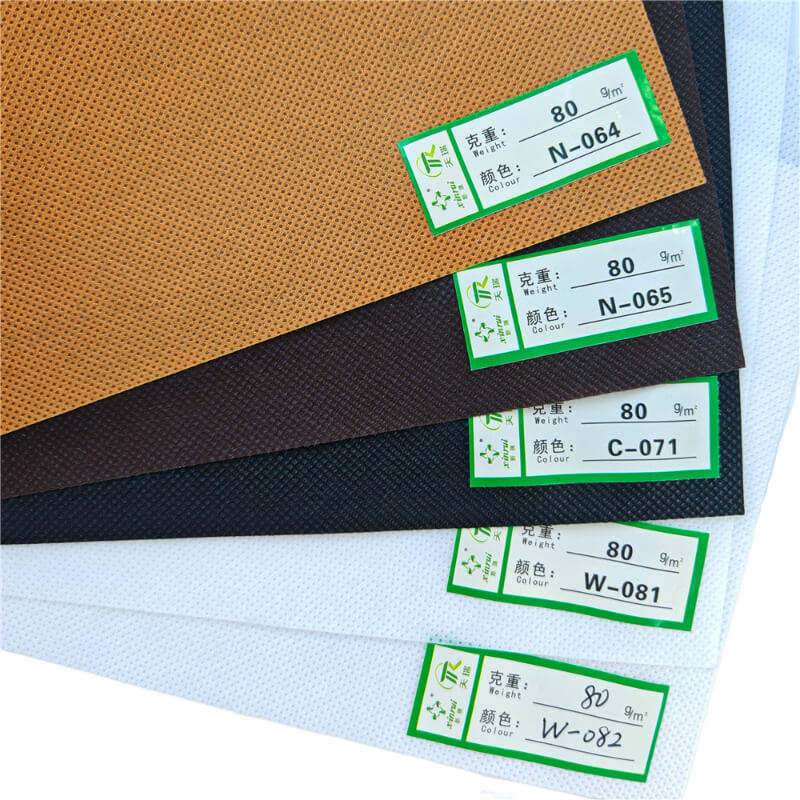
80 GSM: The Sweet Spot
Feel: Noticeably thicker. The fabric has a soft, cloth-like drape. No transparency.
Durability: Handles 5-8 kg easily. Survives dozens of uses. Reinforced stitching makes it even stronger.
Best for:
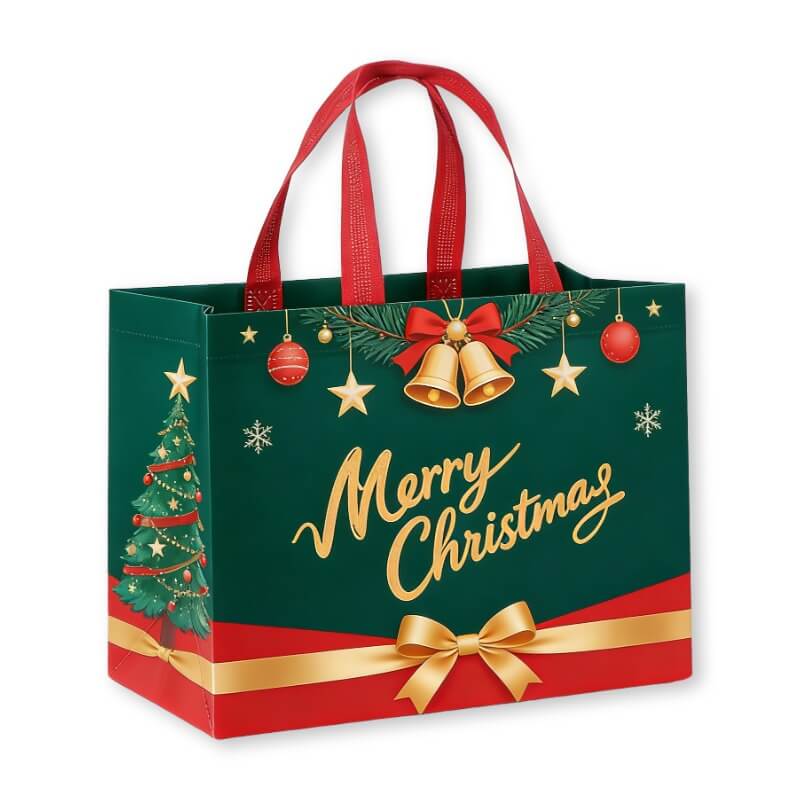
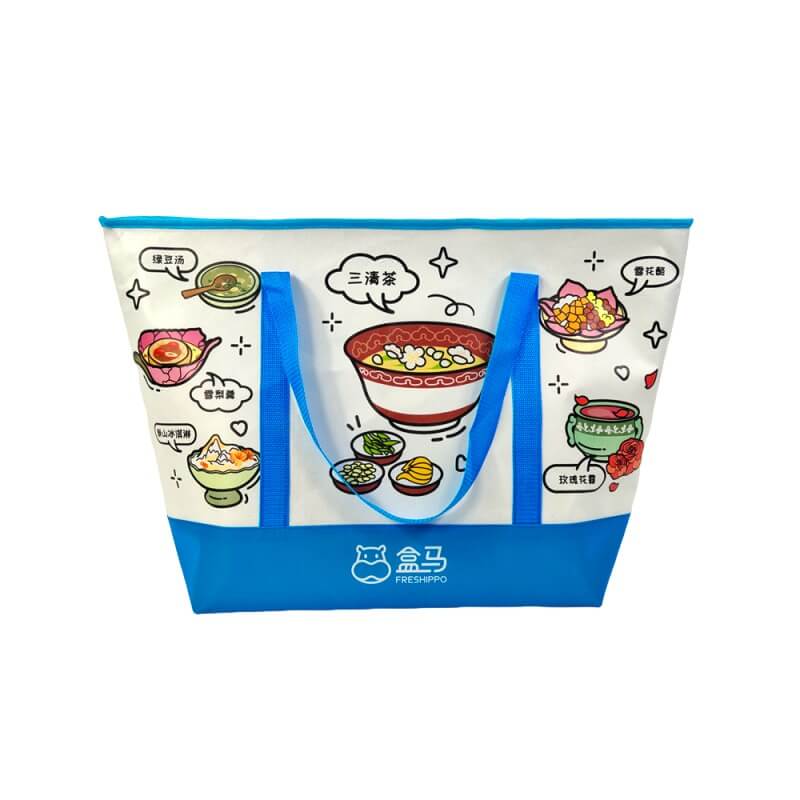
- Standard reusable shopping bags
- Grocery stores, pharmacies, bookshops
- Branded retail bags that customers will actually reuse
Why it wins: 80 GSM gives you the best balance of cost, durability, and perceived quality. It feels substantial without being heavy or expensive. Most of our clients at Seemrich end up choosing 80 GSM after holding samples. It’s the goldilocks option – not too light, not too heavy.
100-120 GSM: Heavy-Duty & Premium
Feel: Thick, sturdy, almost like canvas. The bag stands up on its own. Handles feel solid.
Durability: Handles 10-15 kg easily. Lasts for years. Can carry wine bottles, canned goods, even small electronics.
Best for:
- Luxury retail or boutique brands
- Hardware stores (heavy items)
- Wine shops or liquor stores
- Bags meant to be used as everyday totes (beach, gym, work)
Trade-off: Heavier GSM means higher cost per bag and slightly less fabric per roll (shipping cost). But for premium positioning, the quality feel is worth it.
Quick Comparison Table
| GSM | Feel | Durability | Best Use | Cost |
|---|---|---|---|---|
| 60-70 | Thin, paper-like | Light items only | Promo giveaways | $ |
| 80 | Soft, cloth-like | Daily shopping, 5-8 kg | Retail, groceries | $$ |
| 100-120 | Thick, sturdy | Heavy loads, 10-15+ kg | Luxury, hardware | $$$ |
How to Choose the Right GSM for Your Business
Ask yourself these three questions:
1. What will customers carry in this bag?
Soft clothes and gifts → 80 GSM is plenty. Wine bottles and canned goods → go 100+ GSM.
2. How many uses do you expect?
One-time event bag → 60-70 GSM is fine. Reusable shopping bag → 80 GSM minimum. Premium reusable that lasts years → 100-120 GSM.
3. What’s your brand positioning?
Budget-friendly or high-volume → 80 GSM works perfectly. Luxury or eco-conscious premium → 100+ GSM signals quality.

Real Examples from Real Clients
A bookstore chain we work with started with 70 GSM bags to save money. After six months, customers complained the bags ripped. They switched to 80 GSM. No more complaints, and customers actually reuse them now.
A wine shop ordered 120 GSM bags with reinforced handles. Their customers love them – some have even asked to buy extra bags for gift giving.
A small boutique chose 100 GSM with a soft matte finish. The bags feel expensive, and customers treat them like part of the purchase, not disposable packaging.
A Note on Printing and GSM
Higher GSM fabric accepts printing differently. Screen printing looks great on all GSM levels, but very thin fabric (60 GSM) can wrinkle during printing. Heat transfer and digital printing adhere better to 80+ GSM because the fabric surface is more stable.
If you’re doing a detailed full-color design, stick with 80 GSM or higher. The extra thickness prevents the print from cracking or peeling over time.
What About Eco-Friendly GSM?
Some people think lighter GSM means less material, so it’s more eco-friendly. That’s only half true. A 60 GSM bag that falls apart after five uses is actually worse for the environment than an 80 GSM bag that lasts fifty uses, because you’ll need to replace it more often.
The most sustainable choice is the bag that gets reused the most times. That usually means 80 GSM or higher.
The Bottom Line
If you’re unsure, start with 80 GSM. It’s the safest, most versatile choice for most retail and promotional applications. It feels good, lasts long, and won’t break your budget.
Need something heavier? Go 100 GSM. Need ultra-light giveaways? 60-70 GSM works.
At Seemrich, we offer samples in all GSM weights. You can feel the difference in your own hands before placing a bulk order. That’s the best way to decide.
Ready to find your perfect GSM?
[Contact Seemrich] – tell us what you’re planning to carry, and we’ll recommend the right fabric weight with a free sample.