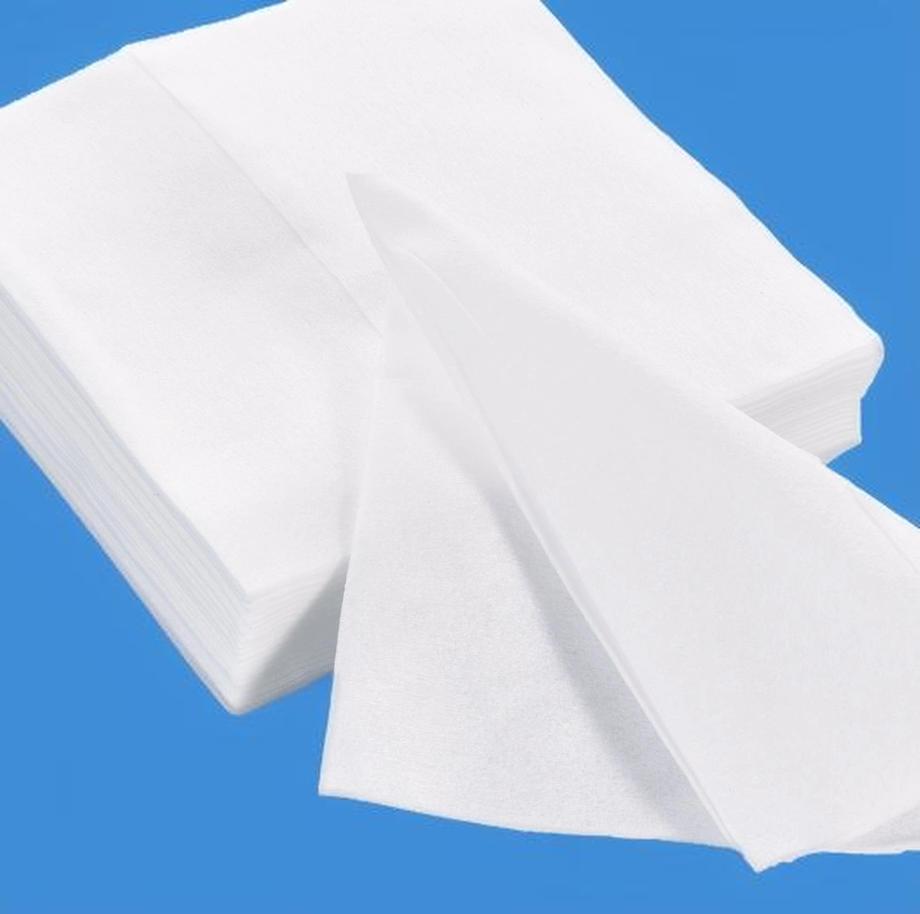
Non-Woven Fabrics in Medical & Hygiene: Why They’re the Industry Standard
Non-Woven for Medical & Hygiene: The Quiet Revolution in Healthcare and Daily Life
Think about the last time you visited a hospital or changed a baby’s diaper. Chances are, non-woven fabrics played a role in both scenarios – yet most people never notice them. That’s the beauty of these engineered materials: they work silently in the background, providing protection, comfort, and hygiene without drawing attention to themselves.
At Seemrich, we’ve seen firsthand how non-woven fabrics have transformed the medical and hygiene industries. From surgical gowns that protect healthcare workers to diapers that keep babies comfortable, these materials appear everywhere. Here’s why they’ve become indispensable.
What Makes Non-Wovens Ideal for Medical and Hygiene Applications?
Non-wovens differ fundamentally from traditional woven fabrics like bed sheets or clothing. Manufacturers bond fibers together through mechanical, thermal, or chemical processes – no weaving or knitting required. This approach gives non-wovens unique properties that work perfectly in medical and hygiene settings:
- Consistent barrier protection – Uniform density and filtration characteristics prevent unpredictable gaps.
- Single-use convenience – Products arrive sterile and ready for immediate use, eliminating risks from repeated washing.
- Softness and comfort – Gentle on sensitive skin, making them ideal for patients and babies alike.
- Cost-effectiveness – Affordable enough for disposable applications without compromising quality.
The global nonwoven fabrics market is projected to grow from USD 54.73 billion in 2025 to USD 72.21 billion by 2030. Specifically, the medical nonwovens segment alone should reach USD 7.36 billion by 2031. Growing demand for hygiene products and healthcare infrastructure improvements drive this expansion.
Medical Applications: Protection Where It Matters Most
Surgical Gowns and Drapes
In operating rooms, maintaining a sterile field is non-negotiable. Non-woven fabrics form the backbone of surgical gowns, drapes, and protective apparel. Their ability to provide a barrier against fluids and contaminants while remaining breathable makes them essential for both patient safety and healthcare worker protection.
Face Masks
Medical-grade face masks rely on non-woven materials for their inner and outer layers. Specialized non-woven structures like meltblown layers capture particles while allowing comfortable breathing. This filtration efficiency comes directly from the material’s engineered design.
Sterilization Wraps
Non-woven fabrics also wrap surgical instruments before sterilization. SMS (Spunbond-Meltblown-Spunbond) non-wovens work particularly well here – they’re suitable for steam, ethylene oxide, hydrogen peroxide plasma, and gamma sterilization methods.
Wound Dressings
Spunlace non-woven fabric excels in wound care products because of its softness, absorbency, and non-adherent properties. Unlike traditional woven gauze, spunlaced non-wovens offer a gentler alternative that won’t stick to healing tissue.
Hygiene Applications: Everyday Essentials
Diapers and Incontinence Products
Baby diapers, adult incontinence products, and feminine hygiene items rank among the most extensive users of non-woven fabrics. Non-wovens serve as key components in disposable diapers, sanitary pads, and adult incontinence products. They provide softness against the skin, liquid absorption, and leak protection – all in a lightweight, comfortable package.
Wet Wipes
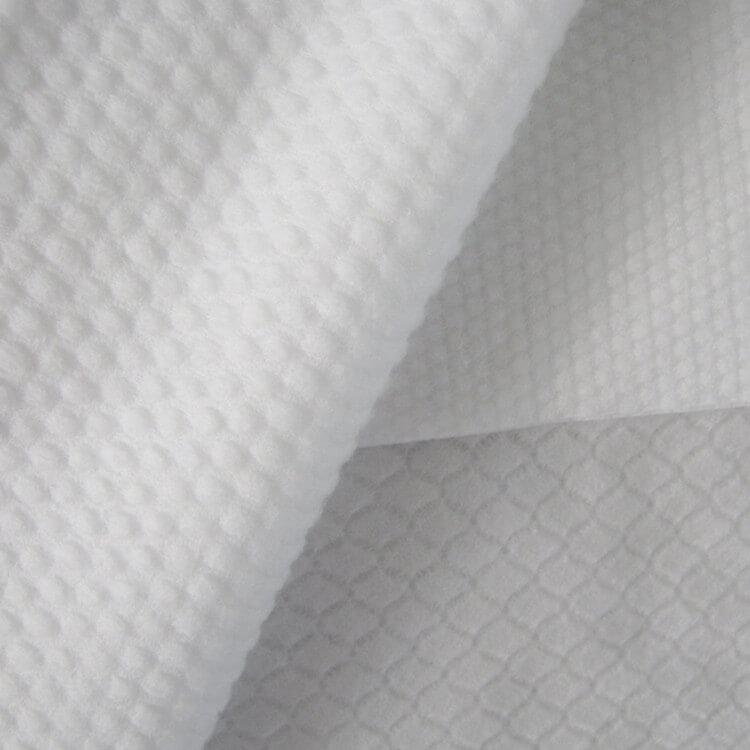
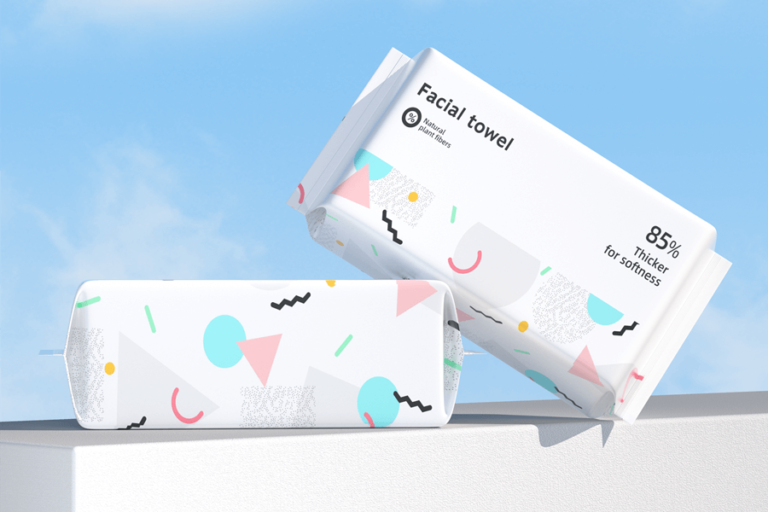
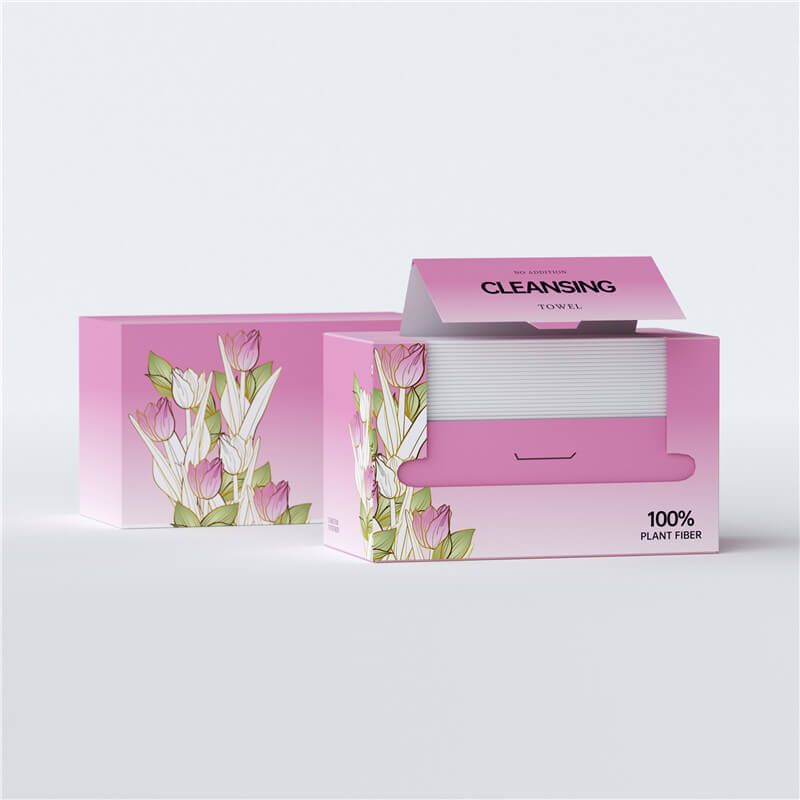
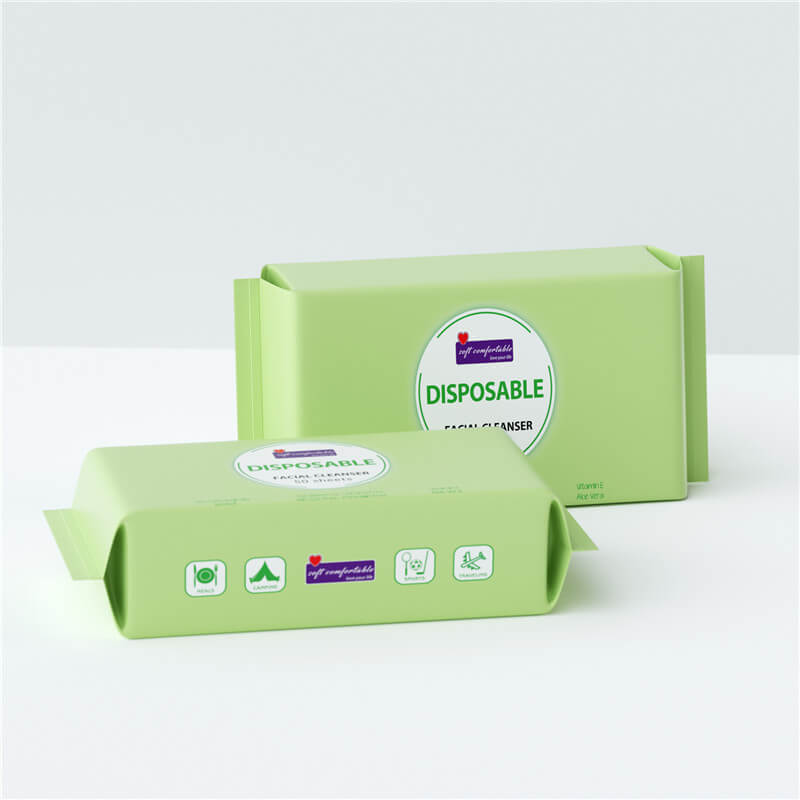
From baby wipes to antibacterial hand wipes, non-woven substrates form the foundation. Most quality wet wipes use spunlace non-woven fabric, which manufacturers produce through a hydroentanglement process. This creates a soft, lint-free, and strong material. The fabric must hold and release liquid solutions evenly while remaining gentle on skin.
Sanitary Napkins and Panty Liners
Non-woven fabrics form the top sheet and other layers of feminine hygiene products. They provide a dry, comfortable surface while allowing fluid to pass through to the absorbent core.
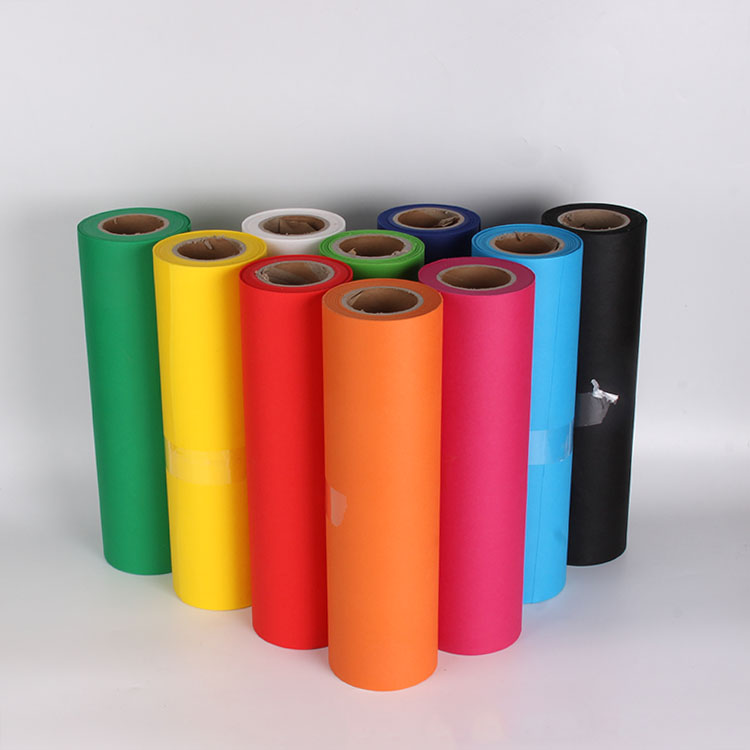

Key Non-Woven Technologies for Medical and Hygiene
| Technology | How Manufacturers Make It | Best For |
|---|---|---|
| Spunlace | High-pressure water jets entangle fibers | Wipes, face towels, wound dressings, cosmetic pads |
| Spunbond | Melted polymer extruded into continuous filaments | Mask outer layers, gowns, packaging |
| Meltblown | High-speed air blows melted polymer into fine fibers | Mask filtration layers, barrier materials |
| SMS | Spunbond-Meltblown-Spunbond composite | Surgical gowns, drapes, sterilization wraps |
Polypropylene remains the most common material for medical and hygiene non-wovens due to its cost-effectiveness, versatility, and performance.
Why Non-Wovens Beat Traditional Textiles in Healthcare
The advantages over woven fabrics are clear:
Consistent Protection – Unlike woven textiles where yarn movement can create unpredictable gaps, non-wovens offer uniform barrier properties.
Reduced Infection Risk – Single-use non-wovens eliminate the cross-contamination risks associated with reusable woven textiles.
Immediate Readiness – Non-woven products arrive sterile and ready for use, streamlining hospital logistics and reducing turnaround times between procedures.
Comfort and Breathability – Medical non-wovens are moisture-proof, breathable, flexible, lightweight, and non-irritating.
The Bottom Line
Non-woven fabrics have quietly become the backbone of modern medical and hygiene products. From the surgical gown that protects a surgeon to the diaper that keeps a baby comfortable, these engineered materials deliver consistent performance, safety, and comfort that traditional textiles simply can’t match.
At Seemrich, we specialize in high-quality non-woven fabrics for medical and hygiene applications – from spunlace for wipes and wound dressings to spunbond and SMS for protective apparel. We work with brands and manufacturers to create custom solutions that meet the exacting standards of healthcare and personal care.
Ready to explore non-woven solutions for your medical or hygiene product?
[Contact Seemrich] – let’s discuss your project.