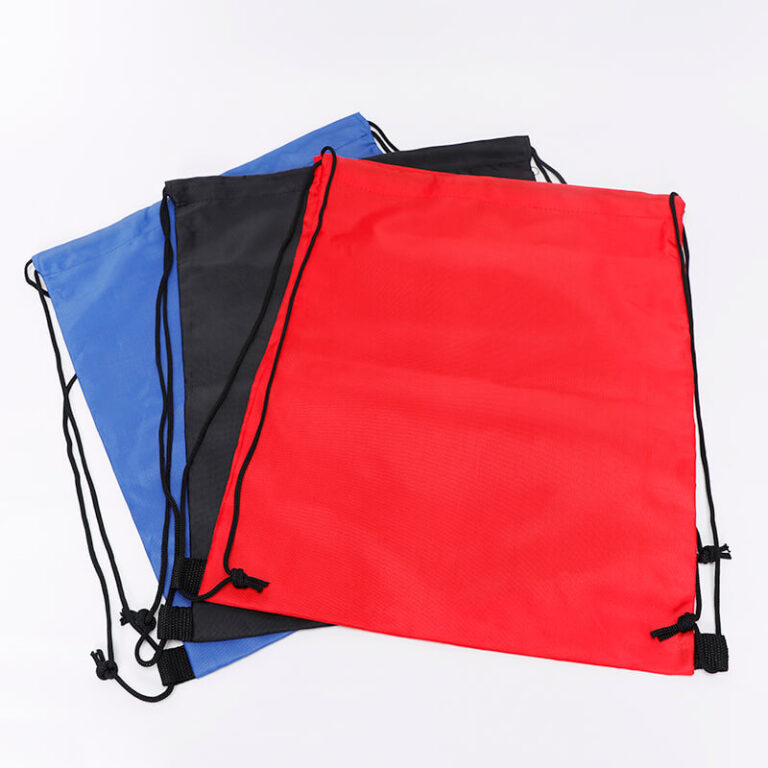
Are Biodegradable Non-woven Shopping Bags the Real Deal? What You Need to Know
Biodegradable Non-woven Shopping Bags: Eco-Friendly Innovation or Greenwashing?
Let’s face it: plastic pollution isn’t going away. And your customers care more than ever about what their shopping bags are made of. That’s why many brands are asking about biodegradable non-woven shopping bags. They sound like the perfect solution. But are they actually better for the planet? And do they work as well as regular non-woven bags? After helping brands at Seemrich navigate these questions, I’ll give you the honest rundown.
What Makes a Non-woven Bag “Biodegradable”?
Traditional non-woven shopping bags are made from polypropylene (PP) – a durable plastic that doesn’t break down naturally. It can take centuries to degrade, leaving microplastics behind.
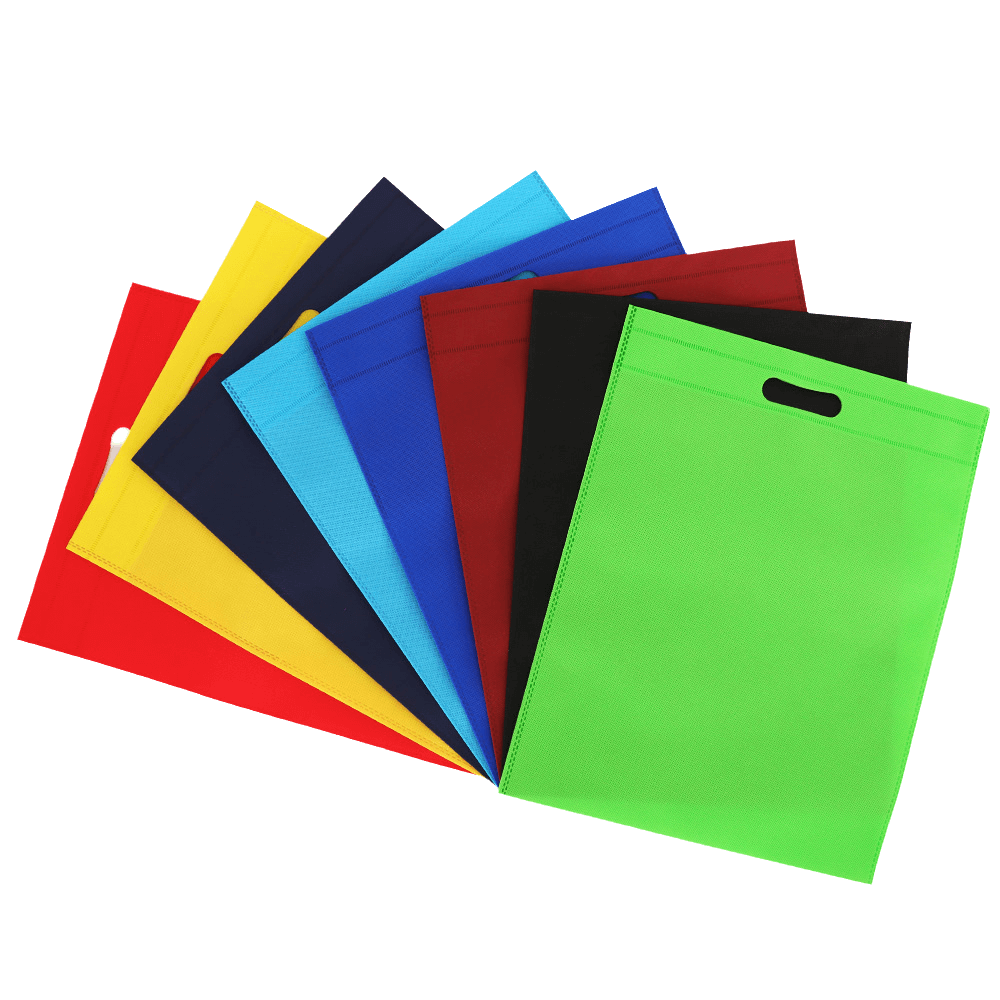
Biodegradable non-woven bags, on the other hand, are made from different materials or treated to break down faster under the right conditions. The most common types include:
- PLA (Polylactic Acid): Derived from corn starch or sugarcane. Plant-based and compostable in industrial facilities.
- PBAT blends: A biodegradable polyester often mixed with PLA or starch for better flexibility.
- Bio-based PE or PP: Made from renewable resources like sugarcane, but may not be biodegradable – just bio-based. Important distinction.
Key point: “Biodegradable” doesn’t mean a bag will vanish in your home compost bin. Most require industrial composting conditions (high heat, humidity, and specific microbes) to break down properly.
Benefits That Actually Matter
1. Reduced Long-Term Pollution
Unlike conventional PP bags that linger for centuries, certified biodegradable non-wovens can break down in a matter of months in the right environment. No microplastics left behind.
2. Brand Image Boost
Consumers are actively seeking out sustainable options. Switching to biodegradable bags signals that your brand takes environmental responsibility seriously. It’s a tangible story you can tell.
3. Compliance with Regulations
Some cities and countries are banning traditional plastic bags or imposing extra fees. Biodegradable alternatives may help you stay ahead of legislation.
4. Same Practicality as Regular Non-wovens
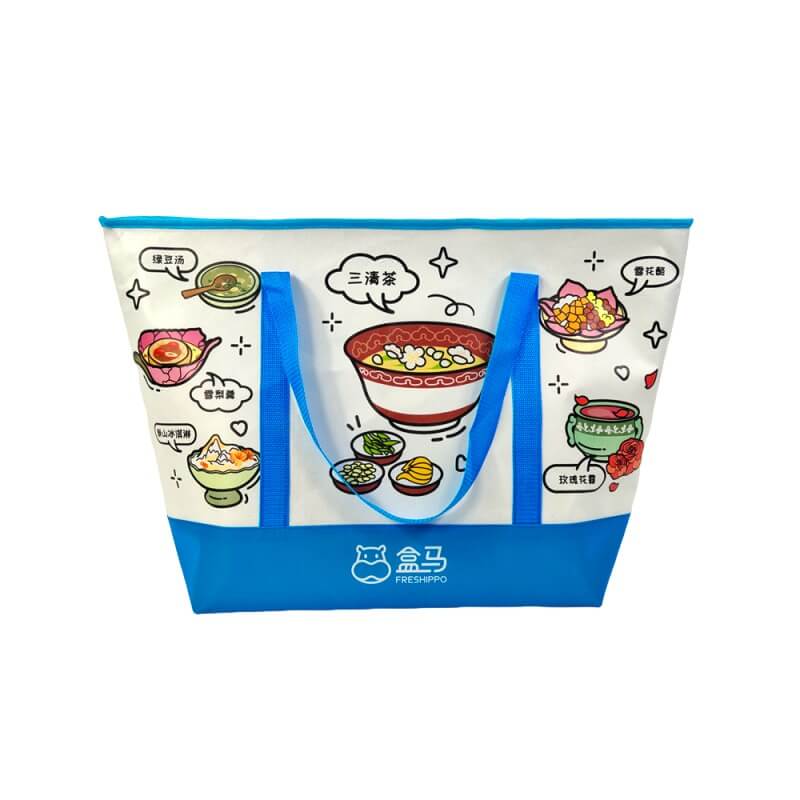
High-quality biodegradable non-woven bags still offer strength, water resistance, and printability. They can be folded, reused, and custom-printed with your logo – just like standard PP bags.
The Catch: Real-World Limitations
Let’s be honest – biodegradable non-woven bags aren’t perfect for every situation.
Industrial Composting Required
Most biodegradable non-woven bags need to go to an industrial composting facility to break down properly. If they end up in a landfill (which most do), they may not degrade any faster than regular plastic.
Shorter Shelf Life
Biodegradable materials can start breaking down over time, especially when exposed to heat and humidity. If you plan to store bags for long periods, this could be an issue.
Higher Cost
Biodegradable non-woven bags typically cost 20-50% more than standard PP bags. For high-volume users, that adds up.
Limited Recycling Options
These bags generally cannot be recycled with standard plastic streams. They need specialized facilities, which aren’t widely available.

How to Spot the Real Deal (Not Greenwashing)
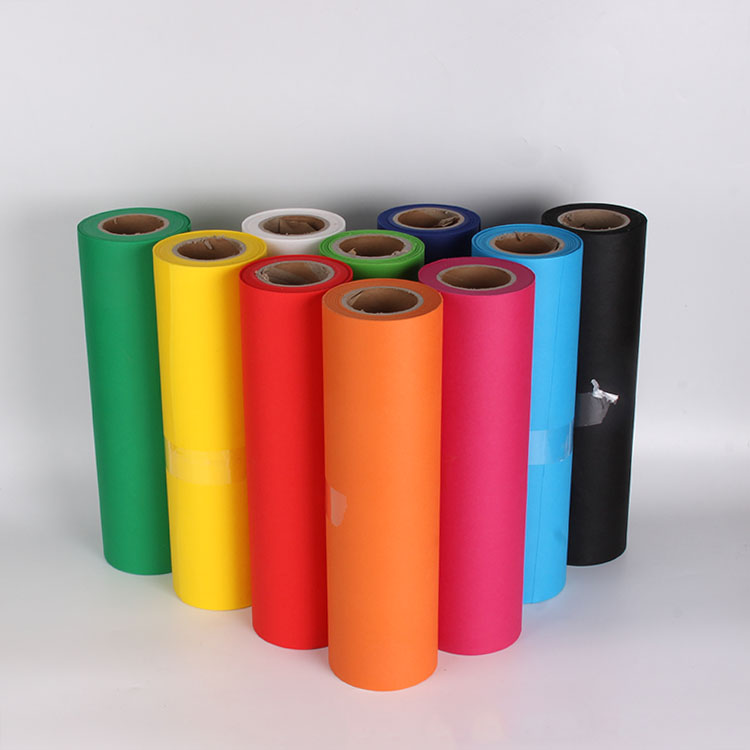
Unfortunately, some suppliers slap “biodegradable” on bags that aren’t truly eco-friendly. Here’s what to look for:
Look for Certifications
- OK compost INDUSTRIAL (TÜV Austria) – breaks down in industrial composting.
- OK compost HOME – breaks down in home compost bins (rare for non-wovens).
- ASTM D6400 – US standard for compostable plastics.
- EN 13432 – European standard for compostable packaging.
Ask for Test Reports
A legitimate supplier will provide third-party lab results showing degradation rates and conditions.
Check the Material
Avoid vague claims like “oxo-degradable” or “oxo-biodegradable” – those often just fragment into microplastics and are banned in many regions. Stick with PLA, PBAT, or certified bio-polymers.
At Seemrich, we only offer biodegradable non-woven bags from mills that provide clear certification and test data. We don’t guess – we verify.
Best Use Cases for Biodegradable Non-woven Bags
- Retail stores with strong sustainability messaging (organic grocers, eco-boutiques).
- Events & conferences where attendees expect eco-friendly swag.
- Promotional giveaways for environmentally focused campaigns.
- Takeout and delivery for restaurants moving away from plastic.
If most of your bags end up in households that may not have industrial composting, you might still benefit from the brand perception – but be transparent about proper disposal.
The Bottom Line
Biodegradable non-woven shopping bags are a genuine step forward – but they’re not a magic solution. They work best when paired with consumer education about composting and when sourced from certified, reliable manufacturers.
If your brand values sustainability and your customers are willing to dispose of bags correctly, they’re worth considering. If your main priority is durability and low cost for heavy reuse, standard 80+ GSM non-woven PP bags (which can be reused dozens of times) might still be the greener choice in practice.
Not sure which path fits your brand?
[Contact Seemrich] – we’ll help you compare options, provide certified samples, and find the right balance between sustainability and performance.