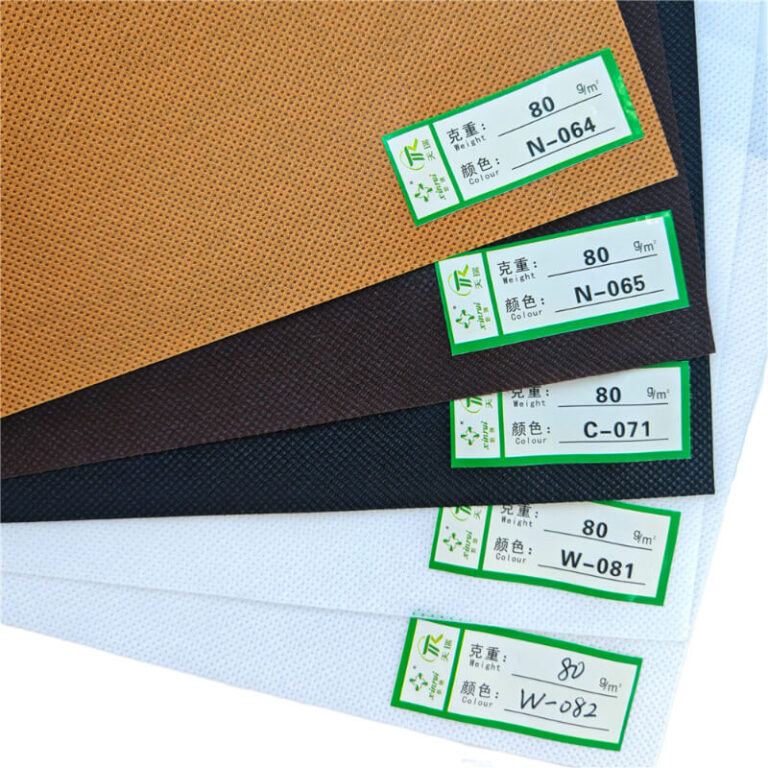
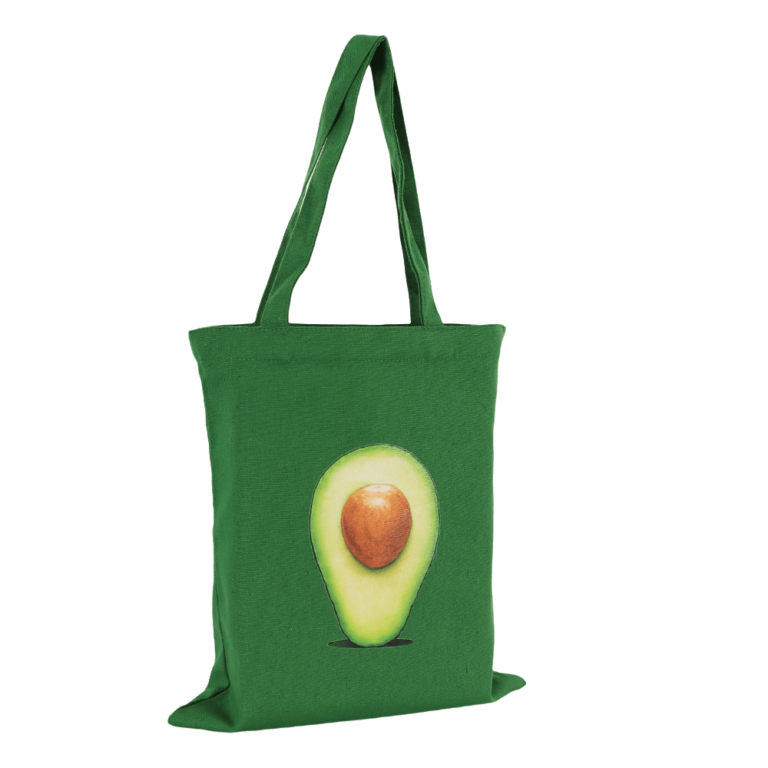
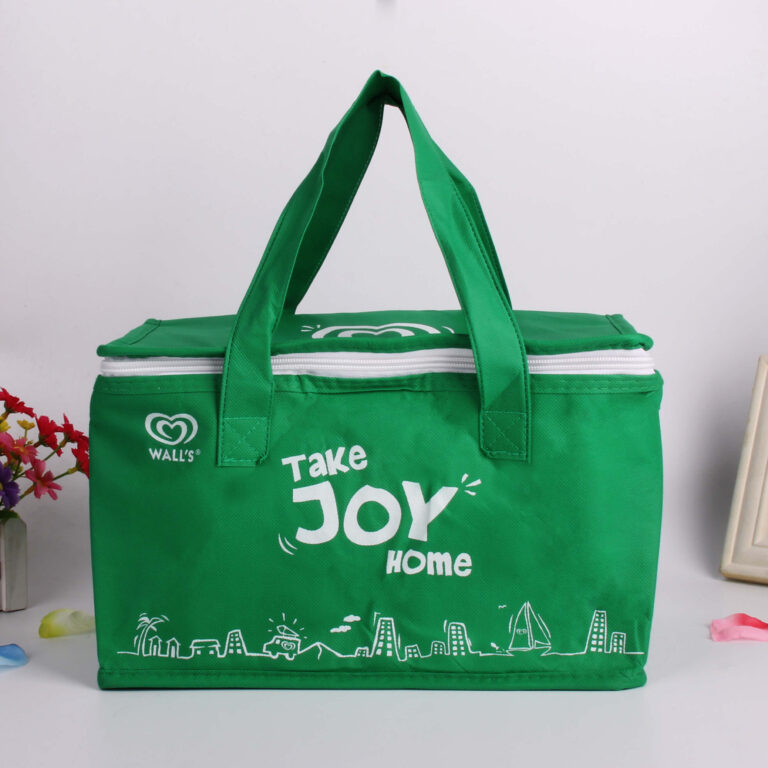
What is Non Woven Polypropylene Fabric? Properties, Uses & Benefits
In an era where material innovation drives industrial progress, non woven polypropylene fabric has emerged as a game-changer. But what exactly makes this synthetic textile the preferred choice across 78% of medical PPE manufacturers? Let’s explore how its unique manufacturing process and adaptable properties create unparalleled value.
What is Non Woven Polypropylene Fabric?
Unlike conventional woven materials that rely on yarn interlacing, this engineered fabric skips traditional weaving entirely. Instead, polypropylene polymer pellets undergo a three-stage transformation:
- First, melting at 160-170°C
- Next, extrusion into continuous filaments
- Finally, bonding through thermal/mechanical methods
The result? A fabric matrix that combines textile-like flexibility with plastic-derived durability.
Key Manufacturing Processes
To understand its versatility, let’s examine four core production methods:
- Spunbond Technology: Primarily used for lightweight fabrics (20-40gsm), this process stretches filaments into web structures ideal for disposable medical products
- Meltblown Method: By contrast, this creates ultra-fine fibers perfect for filtration layers in N95 masks
- Thermal Bonding: Meanwhile, heat-sealed variants offer enhanced strength for geotextiles
- Needle Punching: Notably, this mechanical interlocking method produces dense fabrics for automotive insulation


Distinctive Properties
What truly sets it apart is the synergy of these characteristics:
- Lightweight Yet Durable: Despite weighing 3x less than cotton, it withstands 50% higher tensile stress
- Chemical Resistance: Crucially, it resists acids/alkalis better than polyester alternatives
- Hydrophobic Nature: Whereas natural fibers absorb moisture, PP fabrics maintain <0.01% water retention
- Breathable Structure: Interestingly, its porous matrix allows 85% better air flow than woven counterparts
Top Industry Applications
From hospitals to farmlands, this material proves its adaptability:
Medical Sector
- Sterilization Wraps: Thanks to microbial barrier properties
- Surgical Drapes: Owing to lint-free surfaces preventing contamination
Agriculture
- Crop Covers: Specifically UV-stabilized versions lasting 3+ seasons
- Hydroponic Mats: Leveraging root-friendly porosity



Industrial
- Geotextiles: Particularly needle-punched variants with 500N puncture resistance
- Filtration Media: Especially meltblown layers capturing 99.9% of 0.3μm particles
Environmental Considerations
While non-woven PP isn’t biodegradable, it’s worth noting that:
- Recycling efficiency reaches 92% in closed-loop systems
- Bio-based PP variants now use 30% plant-derived polymers
- Compared to single-use cotton, its 5-year lifespan reduces waste by 60%
Conclusion
As industries prioritize cost-efficiency and sustainability, non woven polypropylene fabric continues to deliver solutions. Whether reinforcing infrastructure or protecting frontline workers, its engineered versatility makes it a cornerstone of modern manufacturing – and an increasingly eco-conscious choice.