PP Spunbond: The Invisible Fabric That Shapes Your Daily Life
PP Spunbond: The Everyday Fabric You’ve Held But Never Noticed
You know that soft, paper-like yet surprisingly strong fabric in reusable shopping bags and the middle layer of your surgical mask? That’s PP Spunbond. It feels unremarkable, but its unassuming nature is its superpower. Having seen it roll off production lines at facilities like Zhejiang Xinrui New Materials, I can tell you it’s one of the most cleverly engineered, versatile materials hiding in plain sight.
So, What Exactly Is It?
Let’s break down the name, because it tells the whole story:
- PP: Stands for Polypropylene, a type of thermoplastic polymer. Think of it as a very common, food-safe, and incredibly versatile plastic.
- Spunbond: Describes the manufacturing process. Instead of weaving or knitting threads, the fabric is made by bonding continuous filaments together.
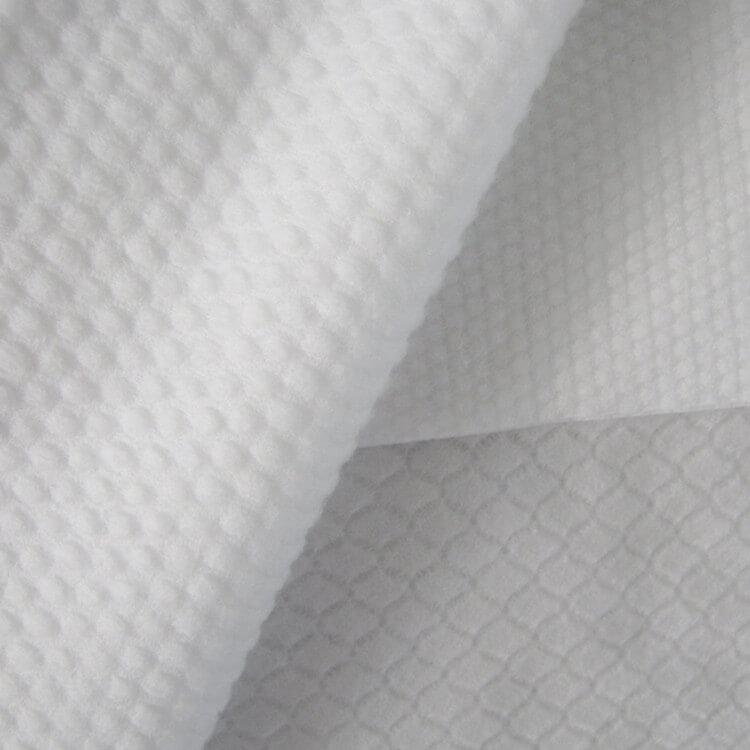
The result is a non-woven fabric that’s lightweight, consistent, and can be engineered for a huge range of strengths and textures. It’s not like your t-shirt (woven) or your sweater (knitted). It’s more like a very sophisticated, high-strength paper made from plastic filaments.


How Is It Made? A Quick Look Behind the Scenes
The process is a feat of engineering elegance, often happening in one continuous, automated line:
- Spinning: Polypropylene granules are melted and extruded through tiny spinnerets (like a high-tech showerhead), forming thousands of continuous, hair-thin filaments.
- Laying: These endless filaments are then laid down randomly onto a moving conveyor belt, creating a uniform, web-like sheet. This randomness is key to its consistent strength in all directions.
- Bonding: The fibrous web is then bonded together. This is usually done with heat and pressure (thermal bonding), which melts the filaments just enough at their contact points to fuse them into a cohesive fabric. No glue, no stitching.
This method allows manufacturers to dial in specific properties—like weight (grams per square meter or GSM), softness, porosity, and strength—by adjusting the filament thickness, web layout, and bonding process.
Key Properties: Why It’s So Widely Used
PP Spunbond isn’t chosen by accident. It offers a unique combination of traits:
- Lightweight & Strong: It has an excellent strength-to-weight ratio. A thin sheet can be deceptively tough.
- Breathable yet Resistant: Its porous structure allows air and vapor to pass through while acting as a barrier against liquids and particles (depending on the density).
- Chemically Inert: It’s resistant to most acids, alkalis, and mildews, making it stable and durable.
- Consistent & Uniform: The manufacturing process ensures every square meter has the same properties, which is crucial for industrial and medical applications.
- Cost-Effective: The high-speed, continuous production process makes it very economical for mass-produced items.


Where You’ll Find PP Spunbond (Its Surprisingly Vast Uses)
This is where it gets interesting. Its applications are everywhere:
1. Hygiene & Medical:
- The inner and outer layers of disposable surgical masks and gowns.
- The backsheet of diapers and sanitary napkins (that soft, waterproof layer).
- Sterile packaging for medical devices.
2. Agriculture & Geotextiles:
- Weed control fabric: Laid on soil to suppress weeds while letting water through.
- Crop covers: Protects plants from frost and pests.
- Landscape fabric: Stabilizes soil and separates layers in road construction.
3. Packaging & Bags:
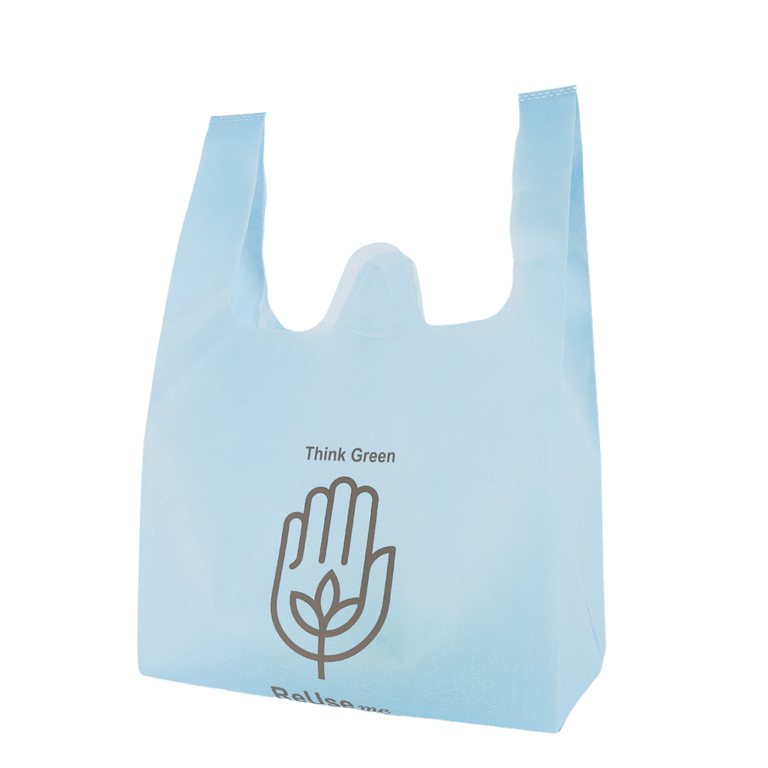
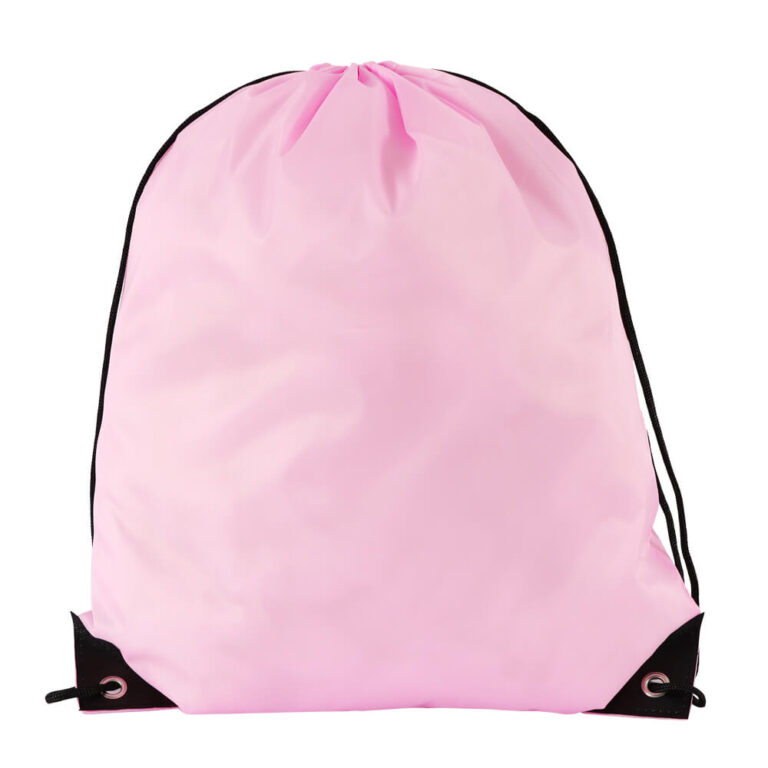
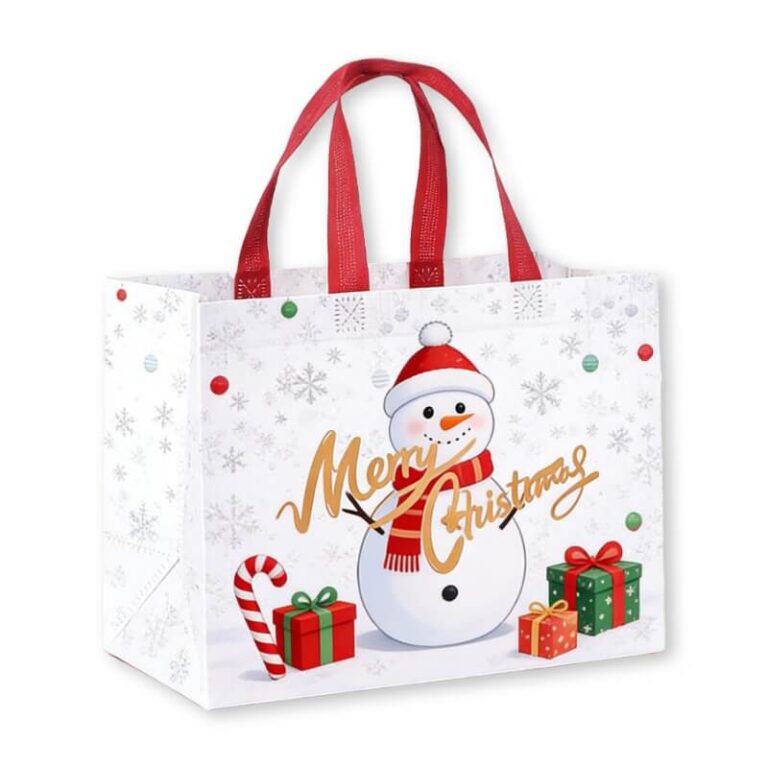
- The fabric of many reusable non-woven shopping bags.
- Protective wrapping for furniture and delicate items.
- Mailer envelopes and tote bag liners.
4. Home & Furniture:
- The backing for carpets and rugs for stability.
- Interlining in mattresses and upholstery.
- Disposable pillow and mattress protectors.
5. Filtration:
- Used as a filter media in air and liquid filters for HVAC systems, vacuums, and water purification.
Choosing Quality: Not All Spunbond Is Equal
When sourcing PP Spunbond, whether for manufacturing bags or medical products, key specs matter:
- GSM (Grams per Square Meter): Indicates weight and generally, durability. A 80 GSM bag is much sturdier than a 40 GSM one.
- Color & Additives: UV stabilizers for outdoor use, antimicrobial treatments for medical grade, or custom colors for branding.
- Consistency: A reputable manufacturer like Zhejiang Xinrui New Materials ensures uniform thickness and bonding, preventing weak spots that lead to tears or failures in your final product.
The Bottom Line
PP Spunbond is the quiet workhorse of the modern material world. It’s the definition of functional design—engineered not to be seen or felt, but to perform a specific, reliable job, whether that’s protecting a surgeon, growing a tomato, or carrying your groceries. Its blend of performance, versatility, and cost-effectiveness ensures it will remain essential for years to come.